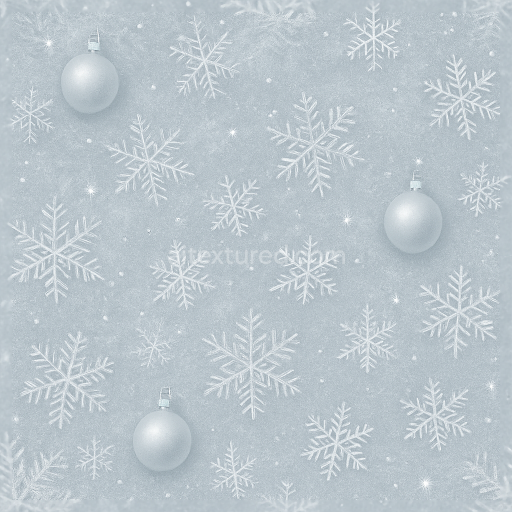
Frosted Glass And Ice Crystals Winter Frost For New Year
Seamless texture (tileable) · PNG, WEBP, PBR ZIP.

| ID | seamless-3d-texture-pbr-8k-sparkling-fireworks-celebration-glow-for-new-year |
|---|---|
| Category | New Year |
| Formats | PNG, WEBP, PBR ZIP |
| Size | 1k (1024x1024px), 2k (2048x2048px), 4k (4096x4096px), 8k (8192x8192px) |
| Tileable | Yes |
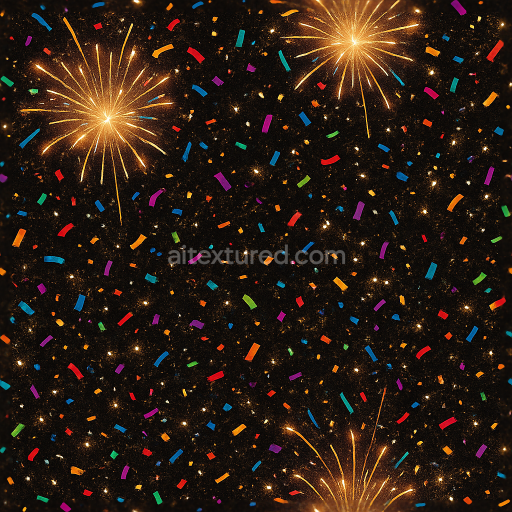
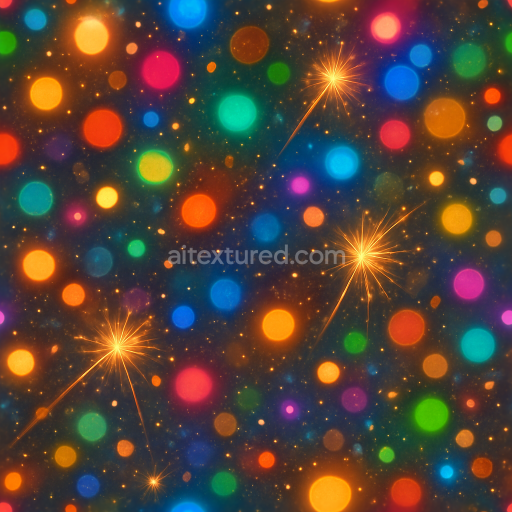
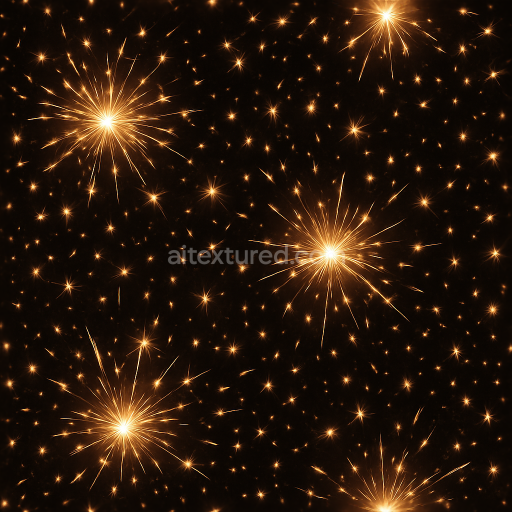
This seamless 3D texture, rendered in an impressive 8K resolution, simulates a sophisticated material designed to evoke the energy and vibrancy of a New Year celebration through photorealistic fireworks and sparkling glow effects. The underlying base material can be described as a finely woven synthetic fabric or polymer substrate, providing a smooth yet subtly textured canvas. This substrate acts as the foundation, embedded with microscopic reflective particles and layered sparkler trails that mimic the light bursts and confetti typical of festive scenes. The geometric form follows a repeating, hexagonal tessellation pattern, ensuring seamless tiling without visible edges, which is ideal for large-scale digital environments.
Compositionally, the texture integrates binders akin to clear acrylic or polyvinyl adhesives that secure the sparkle dust and tiny reflective aggregates uniformly across the surface. These aggregates resemble microscopic glass beads or metallic flakes, contributing to the dynamic interplay of light and color seen in the BaseColor (Albedo) channel. The texture’s porosity is minimal, reflecting a polished finish that enhances the luminous quality of light bursts and celebration glow effects. Subtle weathering is introduced through soft gradations in the Roughness map, allowing for variation in reflectivity that captures the shimmer of sparklers and party confetti against the darker backdrop of new year lights.
The Normal and Height/Displacement maps emphasize the delicate relief of sparkler trails and light bursts, producing a convincing three-dimensional feel that enhances depth perception in 3D applications. Ambient Occlusion is finely tuned to accentuate the micro-shadows beneath the clustered sparkle dust and confetti particles, adding realism by simulating the ambient light obstruction in these densely packed areas. The Metallic channel remains mostly subdued, reflecting the non-metallic nature of the base fabric while selectively highlighting the reflective aggregates to simulate metallic sparkles, contributing to the overall festive allure.
Designed for seamless integration within physically based rendering (PBR) workflows, this texture is fully compatible with Blender, Unreal Engine, and Unity, providing artists and developers with a high-quality resource that maintains fidelity across diverse rendering platforms. The 8K resolution ensures exceptional detail, allowing for close-up inspection without loss of clarity or sharpness. For optimal use, it is recommended to carefully adjust the UV scale to balance detail density and coverage, and to fine-tune the Roughness parameter to modulate the sparkle intensity, enhancing subtle light reflections without overpowering the scene. Blending the Height map with Normal information can further refine the perceived depth of sparkler trails, creating a more immersive and visually dynamic effect.
Import the texture maps into Blender with sRGB color space for albedo/base color and Non-Color for normal, roughness, metallic, AO, height, and ORM maps. Connect normal maps through a Normal Map node, then adjust UV scale with a Mapping node so the material repeats naturally on your model.
For the full step-by-step setup, see How to Use Seamless Textures in Blender. Browse related material examples in wood, concrete, and metal.
Yes. This texture is designed as a seamless tileable PBR material, so it can repeat across large surfaces without visible borders.
Use the download controls on this page: they expose the available PNG, WEBP or engine ZIP choices and supported resolutions for this asset.
Use the engine ZIP choices to package compatible source maps for Blender, Unreal Engine or Unity, then verify the imported material in the target application.
Commercial-use permission is not verified for this record. Confirm the original source and license before production use.

Generate maps from existing images, preview materials, convert channels, and package compatible inputs for Blender, Unity, and Unreal Engine.
Choose a verified workflow for generating maps, previewing tiling, converting channels, or starting from the texture catalog.
Derive Normal, Roughness, AO, Metallic, Height and optional ORM maps from one or more source images, then review the results.
Instant WebGL viewer: inspect materials on a sphere, plane, and cube. Check tiling and lighting in real time.
Re-packages maps per engine: Unreal (BaseColor + ORM), Unity (Mask/MetallicSmoothness), Blender (separate channels).
PNG ↔ JPG ↔ SVG: fast convert, SVG rasterize, embed/trace options, quality & background controls.