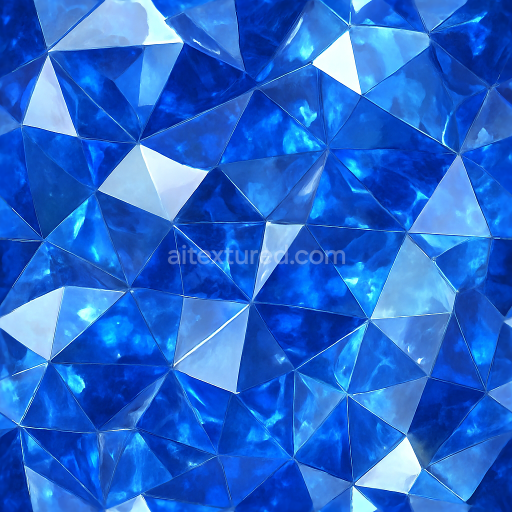
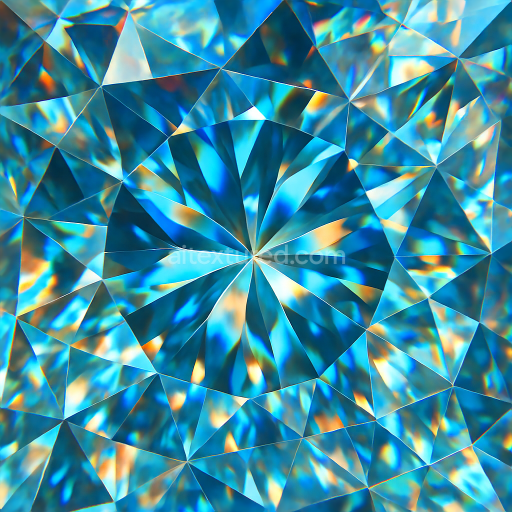
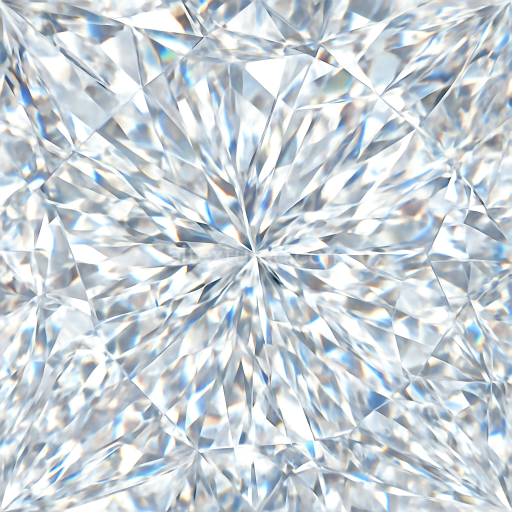
Sapphire Gemstone Cut Facet Edges Sparkling Natural Crystal
Seamless texture (tileable) · PNG, WEBP, PBR ZIP.
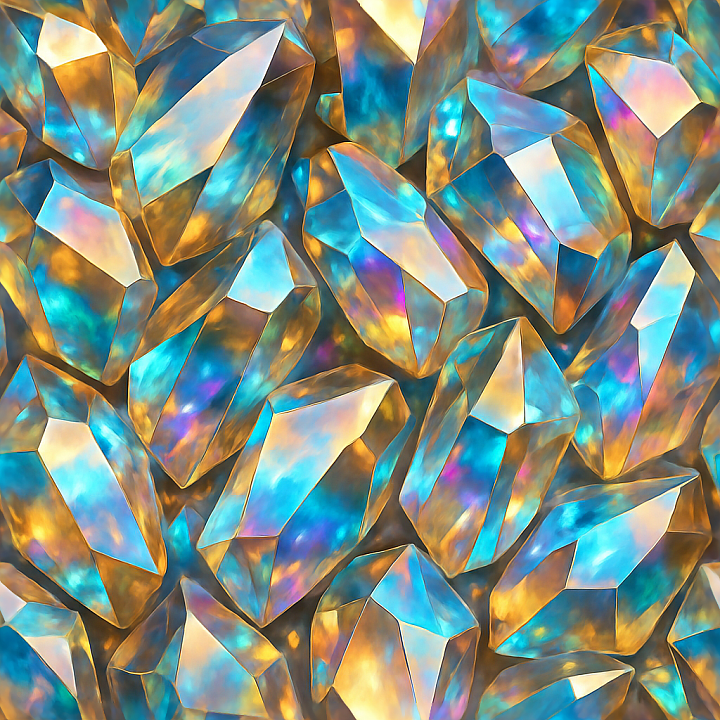
| ID | seamless-3d-texture-pbr-8k-topaz-crystal-shard-with-multicolor-crystals-and-crystal-shimmer-reflective-surface |
|---|---|
| Category | Crystals |
| Formats | PNG, WEBP, PBR ZIP |
| Size | 1k (1024x1024px), 2k (2048x2048px), 4k (4096x4096px), 8k (8192x8192px) |
| Tileable | Yes |
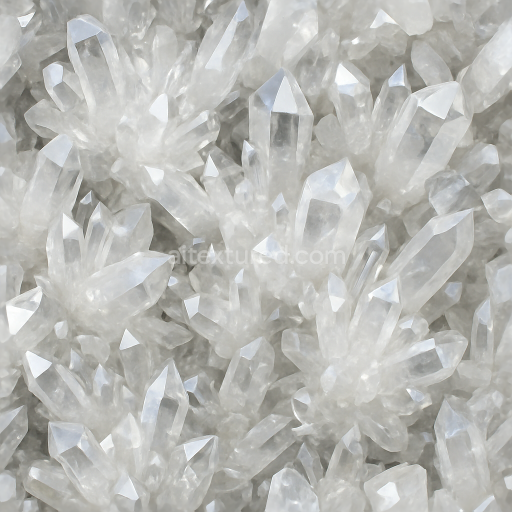
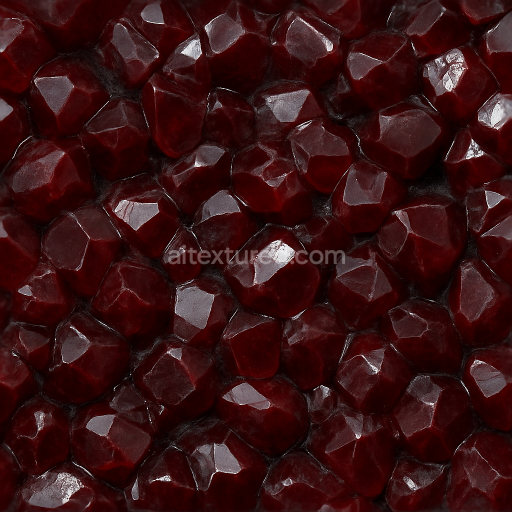
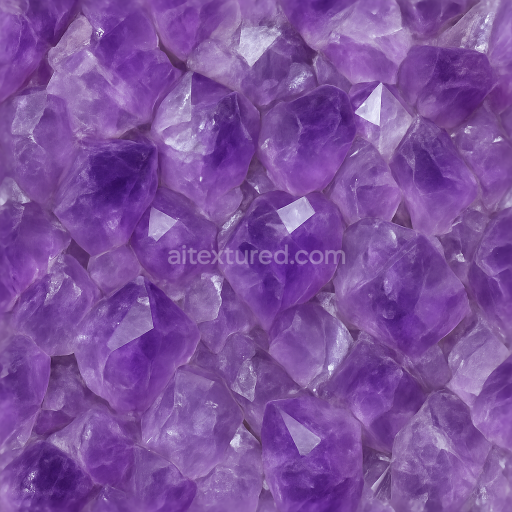
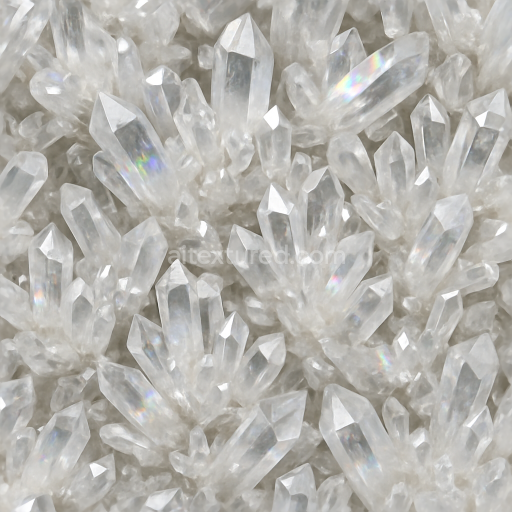
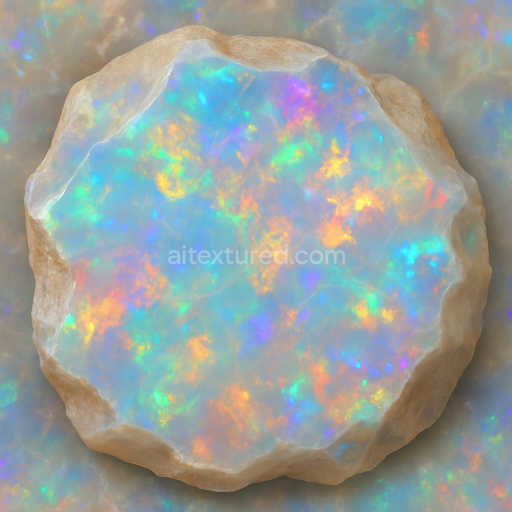
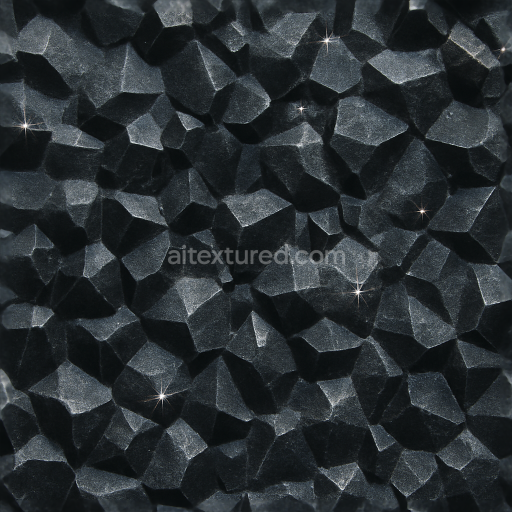
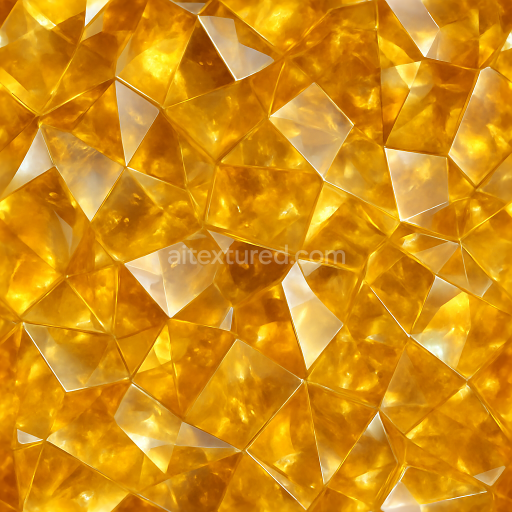
This seamless 3D texture offers a highly detailed representation of topaz crystal shards arranged in a complex, multi-faceted pattern that mimics natural crystalline growth. The base material reflects the inherent properties of topaz, a hard silicate mineral with a vitreous luster and transparent to translucent clarity. The texture captures the sharp, angular geometry of individual crystal shards, each exhibiting distinct planar facets and edges that contribute to the overall fractured and layered appearance. These shards are interwoven with multicolor crystal inclusions, displaying subtle variations in hue from pale blues and yellows to soft pinks and greens, which simulate natural impurities and light dispersion within the mineral matrix. The form is organized in a tessellated, seamless pattern that allows continuous tiling without visible seams, making it ideal for covering large surfaces in 3D environments.
From a material composition standpoint, the texture simulates a crystalline substrate primarily composed of aluminum fluoride and silicon dioxide, characteristic of topaz. The model incorporates microscopic fractures and internal inclusions, contributing to the realistic depiction of light scattering and refraction. The surface finish is highly polished with a pronounced crystal shimmer, achieved by finely tuned reflectivity and glossiness parameters. The reflective surface exhibits complex light interactions, including subtle anisotropic highlights and iridescent shimmer effects, which are critical for recreating the natural sparkle of cut gemstones. Porosity is minimal, reflecting the dense, non-porous nature of genuine crystal shards, while slight weathering is implied through faint micro-scratches and natural wear on edges, enhancing realism without compromising clarity.
In terms of PBR channel mapping, the BaseColor (Albedo) channel encodes the multicolor variations and subtle translucency of the crystal material, capturing the depth and gradient of color within each shard. The Normal map defines the sharp, angular facets and micro-geometry of the crystalline surface, emphasizing the three-dimensional form and enhancing light interaction in real-time rendering. Roughness values are carefully assigned to create a predominantly glossy appearance with localized areas of slightly higher roughness to simulate natural surface imperfections. The Metallic channel remains near zero, consistent with the non-metallic nature of topaz, while Ambient Occlusion enhances the perception of depth within crevices and fractures. Height/Displacement maps provide additional geometric detail, enabling parallax and displacement effects that enhance the tactile quality of the shards when rendered in engines such as Blender, Unreal Engine, and Unity.
Rendered at an ultra-high 8K resolution, this texture ensures exceptional detail and clarity, suitable for close-up views and large-scale projects where realism is paramount. It has been optimized for seamless tiling with consistent texel density, supporting detailed UV mapping workflows. For practical application, it is recommended to carefully adjust the UV scale to preserve the natural grain and facet size of the crystal shards, avoiding distortion. Additionally, fine-tuning the roughness map can help balance the intensity of the crystal shimmer to match specific lighting conditions, while blending height and normal maps can create subtle depth variations that prevent a flat appearance, especially in real-time engine environments. This texture provides a versatile and physically accurate material foundation for any project requiring realistic gemstone shards with complex light behavior and intricate surface detail.
Import the texture maps into Blender with sRGB color space for albedo/base color and Non-Color for normal, roughness, metallic, AO, height, and ORM maps. Connect normal maps through a Normal Map node, then adjust UV scale with a Mapping node so the material repeats naturally on your model.
For the full step-by-step setup, see How to Use Seamless Textures in Blender. Browse related material examples in wood, concrete, and metal.
Yes. This texture is designed as a seamless tileable PBR material, so it can repeat across large surfaces without visible borders.
Use the download controls on this page: they expose the available PNG, WEBP or engine ZIP choices and supported resolutions for this asset.
Use the engine ZIP choices to package compatible source maps for Blender, Unreal Engine or Unity, then verify the imported material in the target application.
Commercial-use permission is not verified for this record. Confirm the original source and license before production use.
Generate maps from existing images, preview materials, convert channels, and package compatible inputs for Blender, Unity, and Unreal Engine.
Choose a verified workflow for generating maps, previewing tiling, converting channels, or starting from the texture catalog.
Derive Normal, Roughness, AO, Metallic, Height and optional ORM maps from one or more source images, then review the results.
Instant WebGL viewer: inspect materials on a sphere, plane, and cube. Check tiling and lighting in real time.
Re-packages maps per engine: Unreal (BaseColor + ORM), Unity (Mask/MetallicSmoothness), Blender (separate channels).
PNG ↔ JPG ↔ SVG: fast convert, SVG rasterize, embed/trace options, quality & background controls.