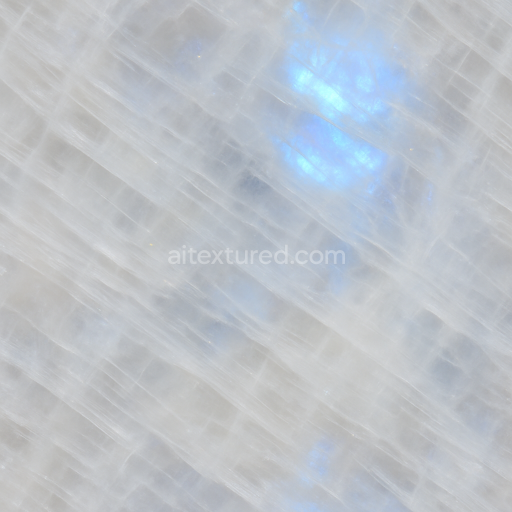
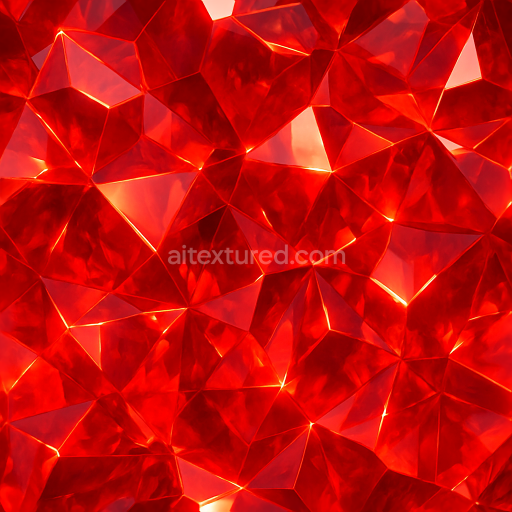
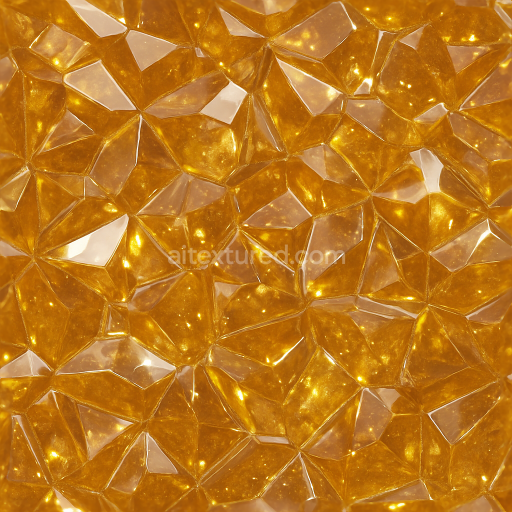
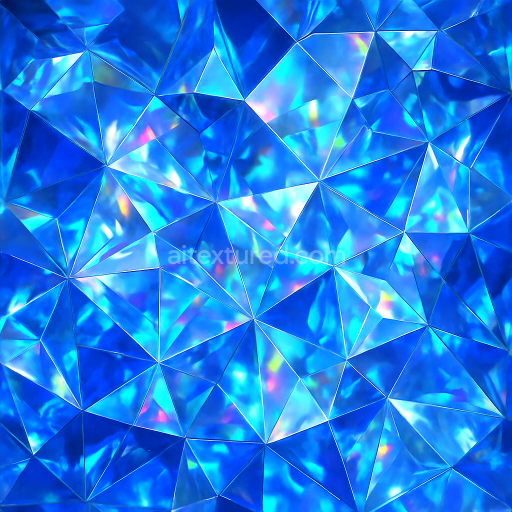
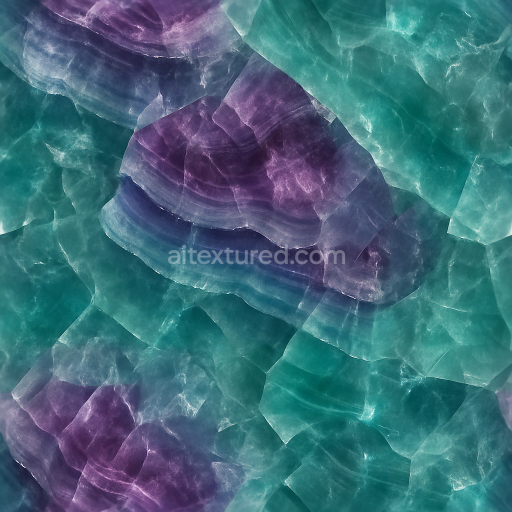
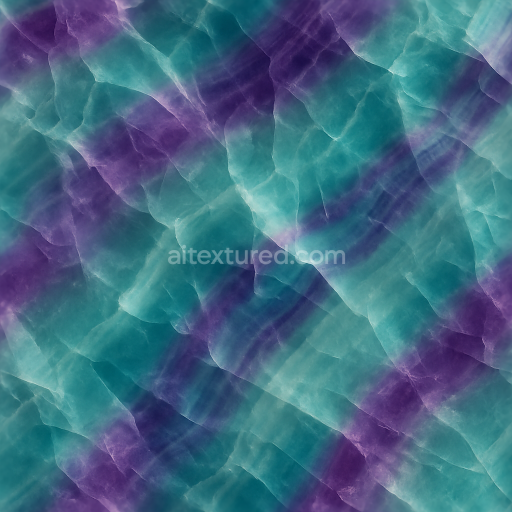
Moonstone Polished Crystal With Color Banding And Opal Play Of Color
Seamless texture (tileable) · PNG, WEBP, PBR ZIP.
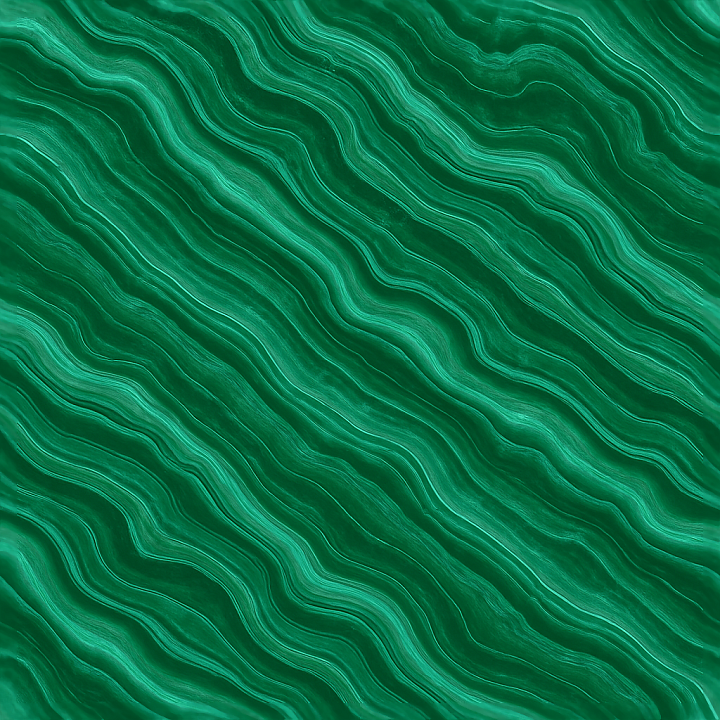
| ID | seamless-3d-texture-pbr-8k-of-vibrant-malachite-with-banded-green-mineral-veins-and-natural-crystal-opacity-and-shimmer |
|---|---|
| Category | Crystals |
| Formats | PNG, WEBP, PBR ZIP |
| Size | 1k (1024x1024px), 2k (2048x2048px), 4k (4096x4096px), 8k (8192x8192px) |
| Tileable | Yes |
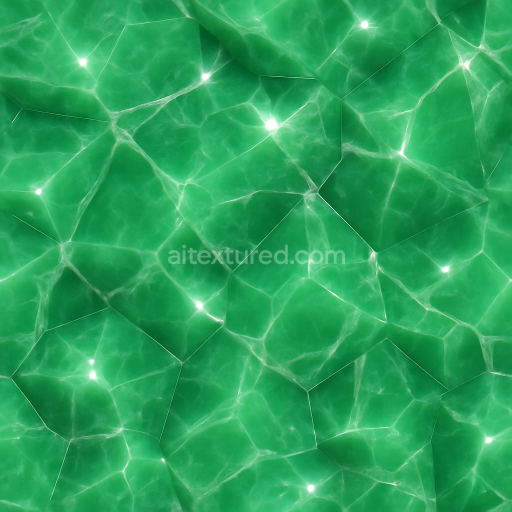
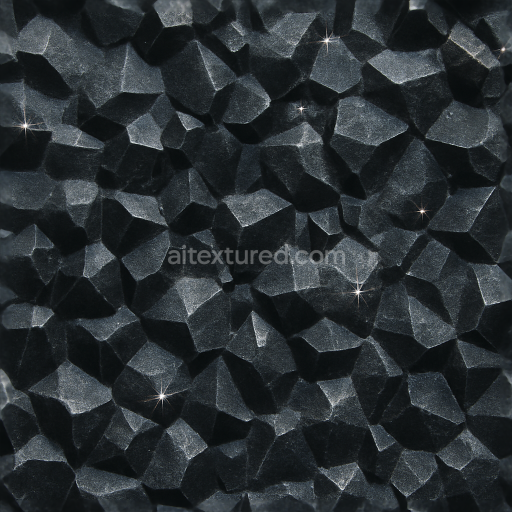
This seamless 3D PBR 8K texture showcases vibrant malachite, a copper carbonate hydroxide mineral known for its rich green hues and distinctive banded patterns. The texture highlights the natural formation of malachite’s layered mineral veins, which create alternating bands of deep emerald and lighter green shades. These bands mimic the fibrous, concentric growth seen in real malachite, giving the surface a laminated, veined geometric form. The substrate material reflects the dense crystalline structure of malachite, while subtle inclusions and natural crystal opacity add depth and variation to the surface.
The composition of this texture includes a polished, glossy surface finish typical of malachite used in jewelry and decorative objects. The surface exhibits a smooth, low-roughness characteristic, allowing the natural shimmer and soft reflective qualities of the crystal to come through. The mineral veins act as aggregates embedded within the substrate, and the texture’s normal and height maps capture the fine relief of these bands, emphasizing the subtle undulations and layering. Ambient occlusion channels enhance the perception of depth between the banded veins, while metallic values remain minimal, as malachite is non-metallic but exhibits a crystal gloss due to its polished finish.
Color-wise, the BaseColor (Albedo) map presents a vivid palette of greens, ranging from saturated malachite green to pale mint tones, faithfully representing the natural pigment variations caused by copper content and mineral impurities. The roughness map is finely tuned to replicate the polished, semi-glossy surface, with slight variations to simulate natural wear and surface imperfections. The height and displacement maps provide realistic depth, enabling enhanced parallax effects in rendering engines. This high-resolution 8K texture is optimized for use in Blender, Unreal Engine, and Unity, ensuring detailed close-ups and seamless tiling in 3D environments.
For practical usage, consider adjusting the UV scale to maintain the natural size of the banded veins and mineral formations, avoiding distortion. When working with roughness, subtle variation can enhance realism by simulating minor surface wear. Blending height and normal maps carefully will help preserve the fine crystal detail and layered depth without exaggerated displacement artifacts. This texture is well suited for applications requiring authentic mineral surfaces, such as architectural visualizations, game assets, and realistic product renders featuring natural stone materials.
Import the texture maps into Blender with sRGB color space for albedo/base color and Non-Color for normal, roughness, metallic, AO, height, and ORM maps. Connect normal maps through a Normal Map node, then adjust UV scale with a Mapping node so the material repeats naturally on your model.
For the full step-by-step setup, see How to Use Seamless Textures in Blender. Browse related material examples in wood, concrete, and metal.
Yes. This texture is designed as a seamless tileable PBR material, so it can repeat across large surfaces without visible borders.
Use the download controls on this page: they expose the available PNG, WEBP or engine ZIP choices and supported resolutions for this asset.
Use the engine ZIP choices to package compatible source maps for Blender, Unreal Engine or Unity, then verify the imported material in the target application.
Commercial-use permission is not verified for this record. Confirm the original source and license before production use.
Generate maps from existing images, preview materials, convert channels, and package compatible inputs for Blender, Unity, and Unreal Engine.
Choose a verified workflow for generating maps, previewing tiling, converting channels, or starting from the texture catalog.
Derive Normal, Roughness, AO, Metallic, Height and optional ORM maps from one or more source images, then review the results.
Instant WebGL viewer: inspect materials on a sphere, plane, and cube. Check tiling and lighting in real time.
Re-packages maps per engine: Unreal (BaseColor + ORM), Unity (Mask/MetallicSmoothness), Blender (separate channels).
PNG ↔ JPG ↔ SVG: fast convert, SVG rasterize, embed/trace options, quality & background controls.