
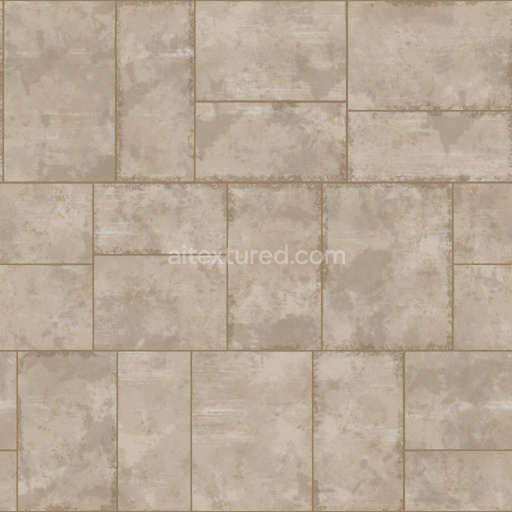
Hexagonal gray Terracotta Tiles | Free PBR
Seamless texture (tileable) · PNG, WEBP, PBR ZIP.
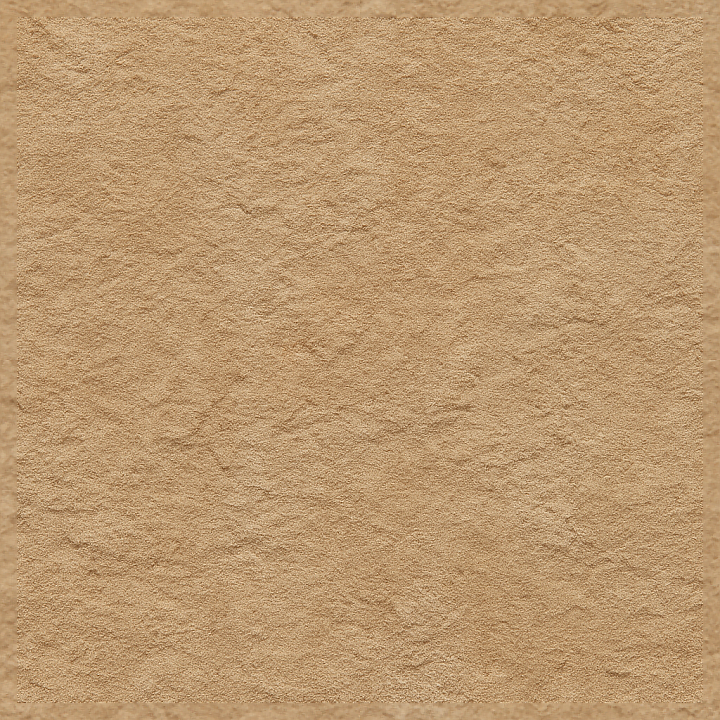
| ID | seamless-8k-pbr-3d-texture-of-matte-natural-sandstone-tile-with-rough-textured-surface-and-earth-tones |
|---|---|
| Category | Tile |
| Formats | PNG, WEBP, PBR ZIP |
| Size | 1k (1024x1024px), 2k (2048x2048px), 4k (4096x4096px), 8k (8192x8192px) |
| Tileable | Yes |
This seamless 8K PBR 3D texture depicts natural sandstone tiles with a matte finish and a rough, tactile surface, ideal for realistic outdoor applications. The tiles are formed from a sedimentary rock base comprising fine to medium grain quartz and feldspar aggregates bound by natural mineral cements. This composition creates a sturdy yet porous substrate, reflecting sandstone’s characteristic weathering patterns and natural imperfections. The tile geometry is arranged in a rectangular grid pattern, typical of traditional paving stones, with subtle beveling along the edges to enhance depth and shadow play within the material.
The surface finish is intentionally left matte to minimize specular reflections, emphasizing the stone’s inherent roughness and grainy texture. Variations in earth tone pigments—from warm ochres and soft tans to muted browns—are distributed unevenly across the tile faces, simulating natural mineral deposits and weathering effects. These color nuances are captured in the BaseColor (Albedo) channel, while the Normal and Height maps provide precise surface detail, including fine grain irregularities and subtle undulations. The Roughness map reinforces the low gloss appearance with high values, while the Metallic channel remains close to zero, reflecting the non-metallic nature of sandstone. Ambient Occlusion enhances the perception of depth around tile edges and crevices, contributing to an overall realistic shading effect.
Designed for seamless tiling, this texture avoids visible repetition and edge artifacts, making it suitable for large-scale surfaces such as patios, walkways, or landscaping features. Its 8K resolution ensures exceptional detail fidelity, preserving subtle grain structures and color variations even at close inspection. The texture is fully PBR-compliant and optimized for use in Blender, Unreal Engine, and Unity, supporting physically accurate lighting and real-time rendering workflows.
For optimal results, it is recommended to adjust the UV scale carefully to match the real-world tile dimensions, avoiding distortion or pixelation. Additionally, fine-tuning roughness values can help balance the matte finish under different lighting conditions, while blending height or parallax maps with normal maps can enhance depth perception without excessive geometry.
Import the texture maps into Blender with sRGB color space for albedo/base color and Non-Color for normal, roughness, metallic, AO, height, and ORM maps. Connect normal maps through a Normal Map node, then adjust UV scale with a Mapping node so the material repeats naturally on your model.
For the full step-by-step setup, see How to Use Seamless Textures in Blender. Browse related material examples in wood, concrete, and metal.
Yes. This texture is designed as a seamless tileable PBR material, so it can repeat across large surfaces without visible borders.
Use the download controls on this page: they expose the available PNG, WEBP or engine ZIP choices and supported resolutions for this asset.
Use the engine ZIP choices to package compatible source maps for Blender, Unreal Engine or Unity, then verify the imported material in the target application.
Commercial-use permission is not verified for this record. Confirm the original source and license before production use.






Generate maps from existing images, preview materials, convert channels, and package compatible inputs for Blender, Unity, and Unreal Engine.
Choose a verified workflow for generating maps, previewing tiling, converting channels, or starting from the texture catalog.
Derive Normal, Roughness, AO, Metallic, Height and optional ORM maps from one or more source images, then review the results.
Instant WebGL viewer: inspect materials on a sphere, plane, and cube. Check tiling and lighting in real time.
Re-packages maps per engine: Unreal (BaseColor + ORM), Unity (Mask/MetallicSmoothness), Blender (separate channels).
PNG ↔ JPG ↔ SVG: fast convert, SVG rasterize, embed/trace options, quality & background controls.