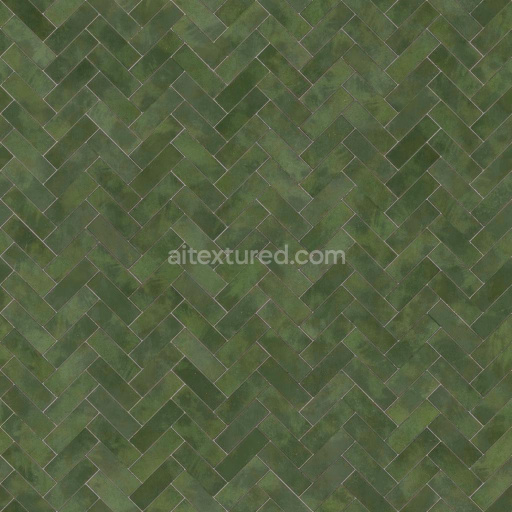
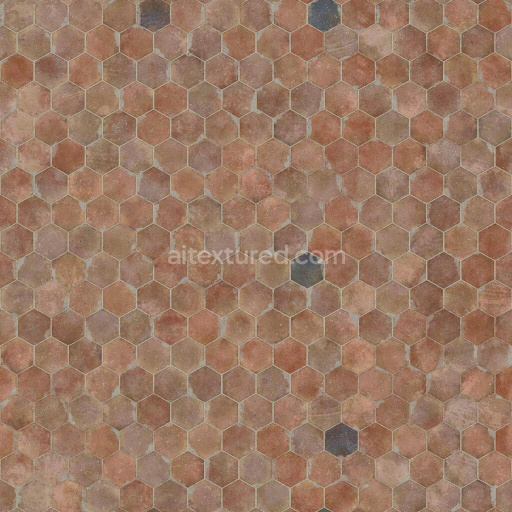
Herringbone Emerald Porcelain Tiles | Free PBR
Seamless texture (tileable) · PNG, WEBP, PBR ZIP.
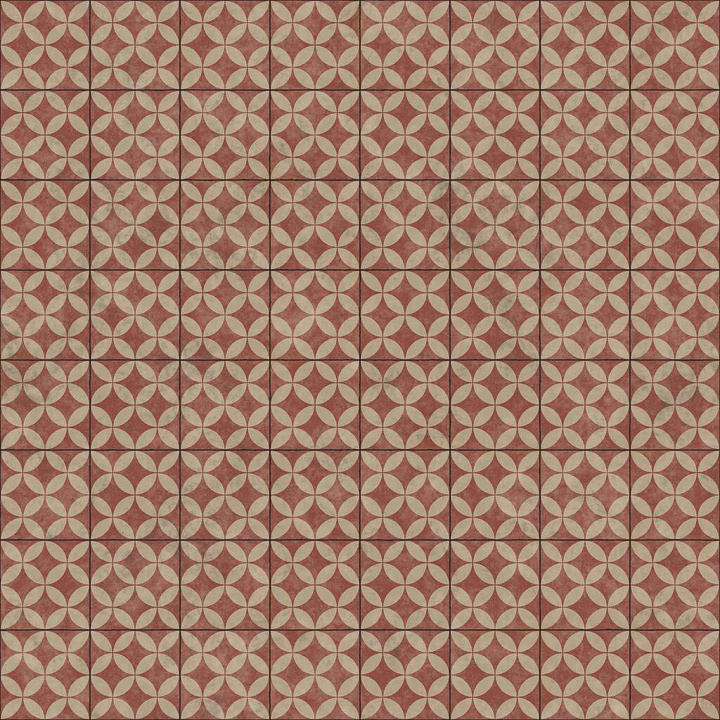
| ID | vintage-red-cement-tiles-with-pattern-of-overlapping-circles-free-pbr |
|---|---|
| Category | Tile |
| Formats | PNG, WEBP, PBR ZIP |
| Size | 1k (1024x1024px), 2k (2048x2048px), 4k (4096x4096px), 8k (8192x8192px) |
| Tileable | Yes |
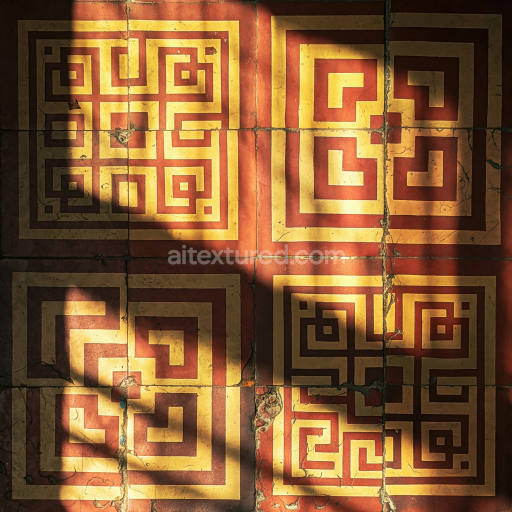
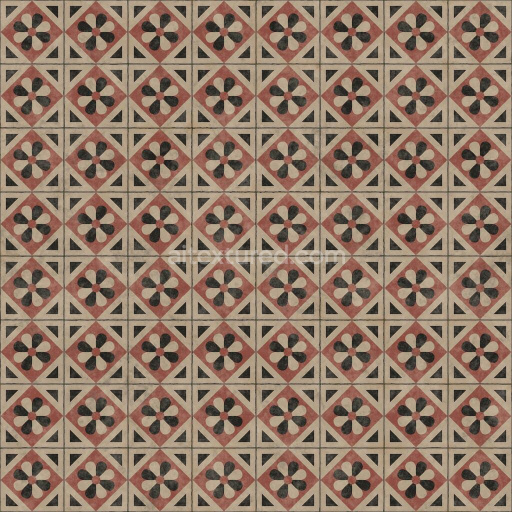
The Vintage Red Cement Tiles with Pattern of Overlapping Circles (Tiles 0127) showcase an authentic aged material composed primarily of mineral-rich cement as the base substrate. This cement matrix incorporates fine aggregates and natural pigments, which give rise to the distinct dusty red coloration characteristic of traditional flooring and wall cladding in ancient houses and Renaissance interiors. The surface bears subtle signs of weathering and porosity, with a slightly roughened texture that reflects decades of wear, enhancing the vintage appeal. The overlapping circle pattern is embedded through mineral-based colorants and oxide layers that have faded unevenly over time, resulting in a warm, muted palette with realistic imperfections and tonal variations throughout the tile surface.
From a physical-based rendering (PBR) perspective, the BaseColor/Albedo channel captures the soft red hues and intricate circle motif with high detail, while the Normal map accurately renders the subtle surface irregularities and worn edges that define the tile’s aged character. The Roughness map reflects the semi-matte finish typical of cement, balancing diffuse reflection with mild surface scattering caused by fine cement grains and micro-cracks. The Metallic channel remains minimal, as the material is non-metallic, reinforcing its earthy, mineral-based composition. Ambient Occlusion enhances depth perception around the overlapping circles and weathered crevices, and the Height/Displacement map provides fine relief details replicating slight embossing and surface erosion observed on original vintage tiles.
This texture is optimized at up to 8K resolution, ensuring exceptional clarity and fidelity for close-up renders and immersive environments. It is fully compatible and ready for seamless integration into Blender, Unreal Engine, and Unity projects, allowing artists to realistically recreate historical settings or vintage-inspired architectural visualizations. When applying this tile texture, a practical tip is to carefully adjust the UV scale to maintain the proportionality of the overlapping circle pattern relative to the scene, and to fine-tune the Roughness map to suit lighting conditions, ensuring the subtle surface sheen accurately reflects the intended ambiance.
Import the texture maps into Blender with sRGB color space for albedo/base color and Non-Color for normal, roughness, metallic, AO, height, and ORM maps. Connect normal maps through a Normal Map node, then adjust UV scale with a Mapping node so the material repeats naturally on your model.
For the full step-by-step setup, see How to Use Seamless Textures in Blender. Browse related material examples in wood, concrete, and metal.
Yes. This texture is designed as a seamless tileable PBR material, so it can repeat across large surfaces without visible borders.
Use the download controls on this page: they expose the available PNG, WEBP or engine ZIP choices and supported resolutions for this asset.
Use the engine ZIP choices to package compatible source maps for Blender, Unreal Engine or Unity, then verify the imported material in the target application.
Commercial-use permission is not verified for this record. Confirm the original source and license before production use.



Generate maps from existing images, preview materials, convert channels, and package compatible inputs for Blender, Unity, and Unreal Engine.
Choose a verified workflow for generating maps, previewing tiling, converting channels, or starting from the texture catalog.
Derive Normal, Roughness, AO, Metallic, Height and optional ORM maps from one or more source images, then review the results.
Instant WebGL viewer: inspect materials on a sphere, plane, and cube. Check tiling and lighting in real time.
Re-packages maps per engine: Unreal (BaseColor + ORM), Unity (Mask/MetallicSmoothness), Blender (separate channels).
PNG ↔ JPG ↔ SVG: fast convert, SVG rasterize, embed/trace options, quality & background controls.