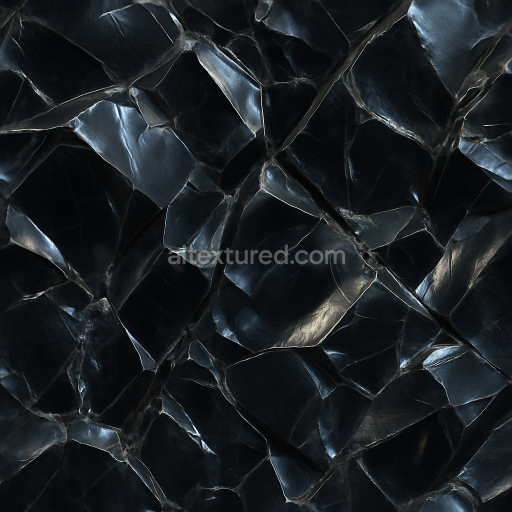
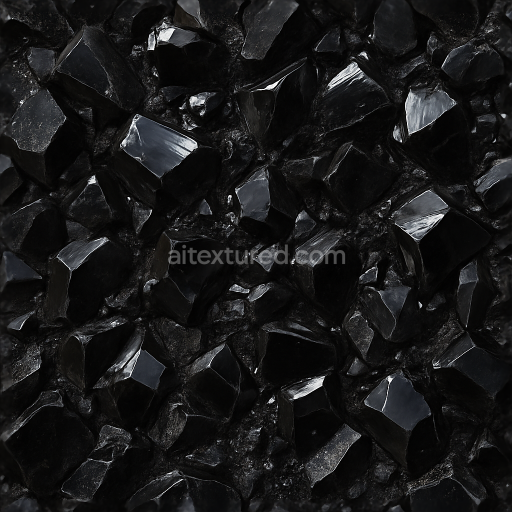
Obsidian Glassy Surface With Fractures And Metallic Sheen Highlights
Seamless texture (tileable) · PNG, WEBP, PBR ZIP.
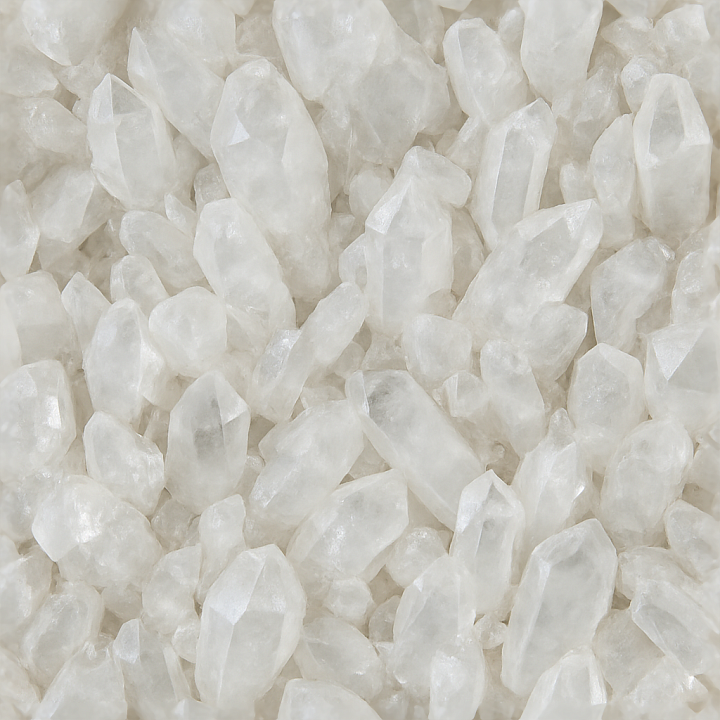
| ID | seamless-3d-texture-pbr-8k-of-raw-quartz-with-translucent-crystal-lattice-and-natural-crystal-growth-patterns |
|---|---|
| Category | Crystals |
| Formats | PNG, WEBP, PBR ZIP |
| Size | 1k (1024x1024px), 2k (2048x2048px), 4k (4096x4096px), 8k (8192x8192px) |
| Tileable | Yes |
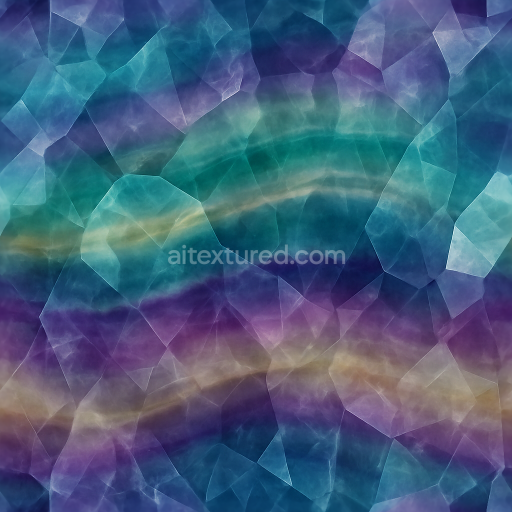
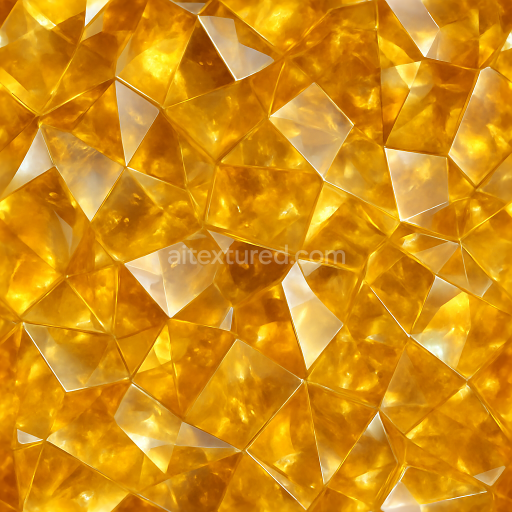
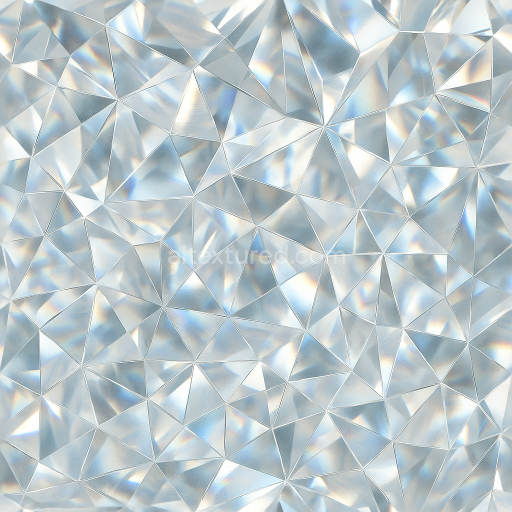
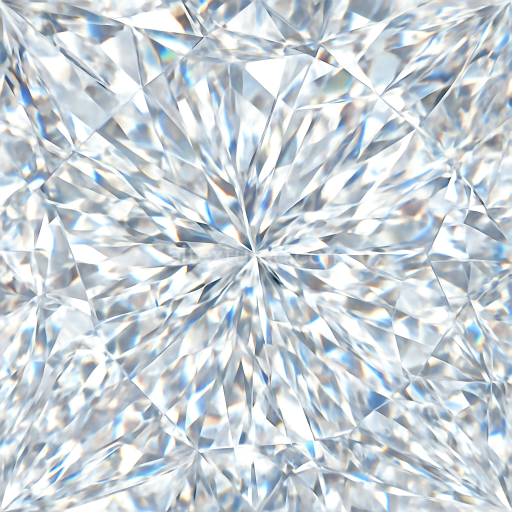
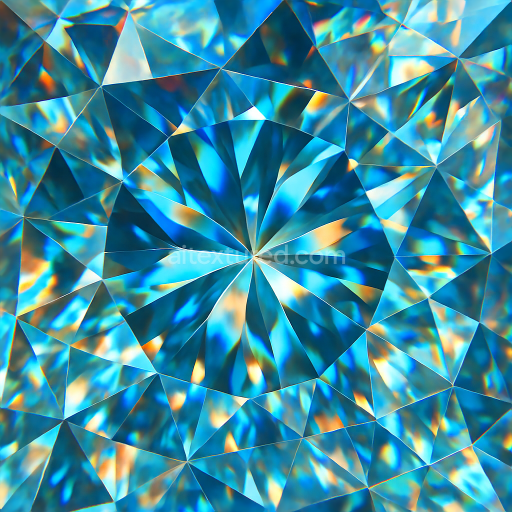
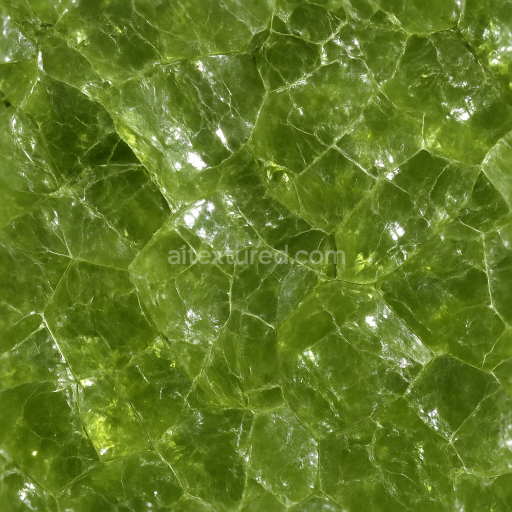
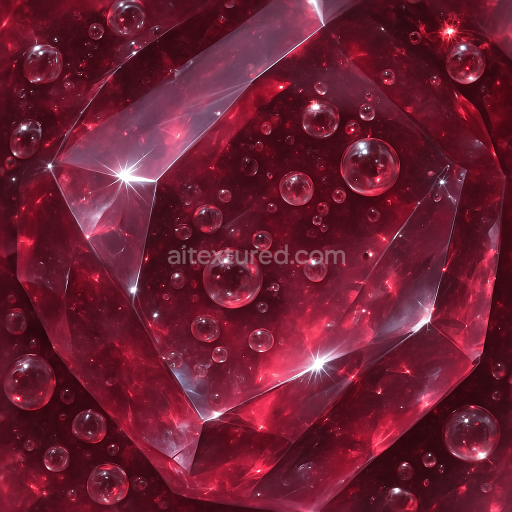
This seamless 3D PBR texture presents a highly detailed raw quartz surface, capturing the intrinsic complexity of its translucent crystal lattice and naturally occurring crystal growth formations. The material primarily consists of a silicate substrate with interlocking crystalline structures that create a semi-transparent effect, allowing subtle light diffusion through the mineral matrix. The texture reveals the quartz’s characteristic angular and hexagonal crystal facets, arranged in dense clusters that emphasize the natural geometric repetition typical of quartz veins. These facets are irregular yet harmoniously patterned, reflecting the mineral’s organic growth process over time.
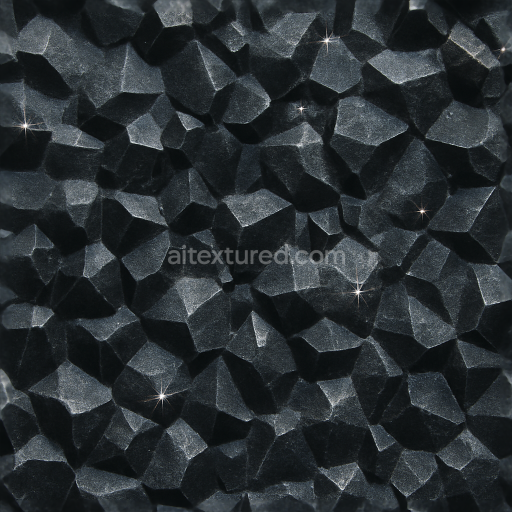
The surface finish is raw and unpolished, highlighting the rough stone’s tactile qualities, including minor fissures, mineral inclusions, and fine grain textures. Variations in porosity and natural weathering contribute to subtle tonal shifts within the BaseColor (Albedo) channel, where muted whites, soft grays, and occasional translucent bluish hues evoke the mineral’s purity and depth. The Normal map enhances the pronounced relief of crystal edges and surface imperfections, while the Height/Displacement map defines the volume of the raised crystal formations and recessed mineral veins. The Roughness channel balances matte and glossy areas, simulating the interplay between rough quartz surfaces and smoother crystal facets, without any metallic reflections, as quartz is non-metallic. Ambient Occlusion adds realistic shadowing in crevices and interstitial spaces between crystals, enhancing depth perception and surface complexity.
Rendered at an ultra-high resolution of 8K, this texture supports detailed close-ups and large-scale applications with no loss of detail, making it suitable for professional 3D workflows in Blender, Unreal Engine, and Unity. The seamless design ensures that the texture tiles flawlessly across any UV layout, maintaining consistent crystal patterns without visible seams or repetition artifacts. This is particularly valuable for projects requiring expansive mineral surfaces or geological formations.
For optimal use, it is recommended to adjust the UV scale to emphasize the intricate crystal lattice, allowing the natural growth patterns to remain visually prominent. Fine-tuning the Roughness channel can help simulate varying surface finishes—from freshly fractured quartz surfaces with higher gloss to more weathered, matte appearances. Incorporating subtle blending of the Height and Normal maps can enhance the perceived depth and natural irregularity of the crystal facets, adding realism without compromising performance in real-time engines.
Import the texture maps into Blender with sRGB color space for albedo/base color and Non-Color for normal, roughness, metallic, AO, height, and ORM maps. Connect normal maps through a Normal Map node, then adjust UV scale with a Mapping node so the material repeats naturally on your model.
For the full step-by-step setup, see How to Use Seamless Textures in Blender. Browse related material examples in wood, concrete, and metal.
Yes. This texture is designed as a seamless tileable PBR material, so it can repeat across large surfaces without visible borders.
Use the download controls on this page: they expose the available PNG, WEBP or engine ZIP choices and supported resolutions for this asset.
Use the engine ZIP choices to package compatible source maps for Blender, Unreal Engine or Unity, then verify the imported material in the target application.
Commercial-use permission is not verified for this record. Confirm the original source and license before production use.
Generate maps from existing images, preview materials, convert channels, and package compatible inputs for Blender, Unity, and Unreal Engine.
Choose a verified workflow for generating maps, previewing tiling, converting channels, or starting from the texture catalog.
Derive Normal, Roughness, AO, Metallic, Height and optional ORM maps from one or more source images, then review the results.
Instant WebGL viewer: inspect materials on a sphere, plane, and cube. Check tiling and lighting in real time.
Re-packages maps per engine: Unreal (BaseColor + ORM), Unity (Mask/MetallicSmoothness), Blender (separate channels).
PNG ↔ JPG ↔ SVG: fast convert, SVG rasterize, embed/trace options, quality & background controls.