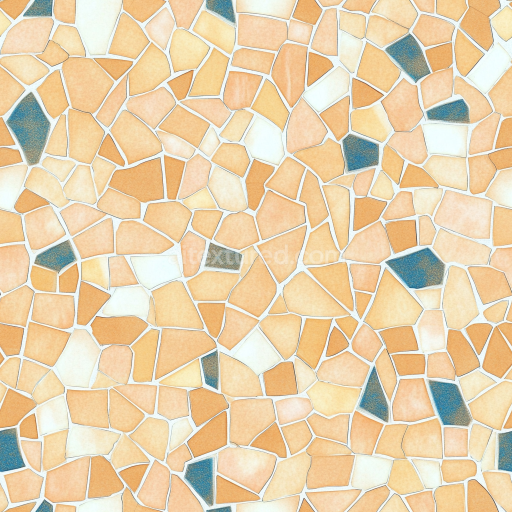
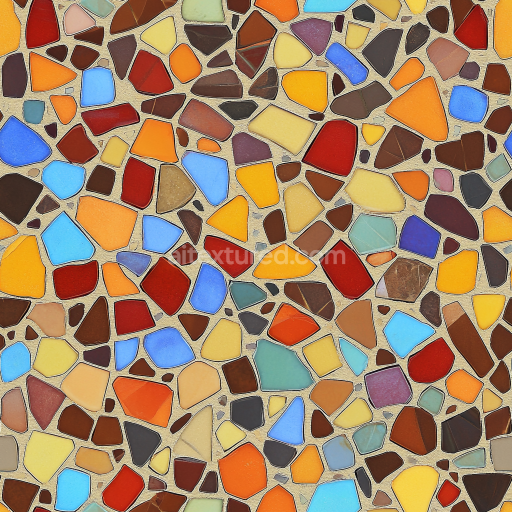
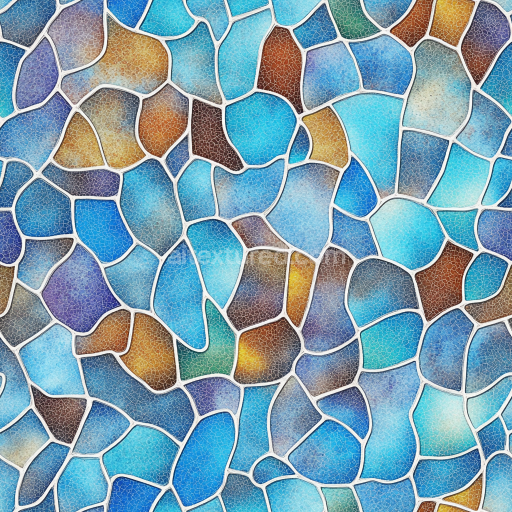
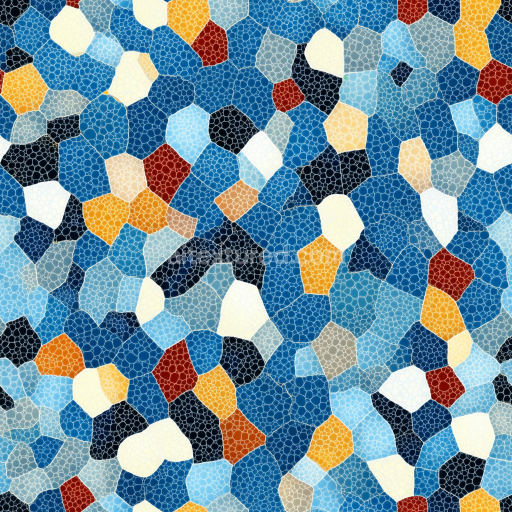
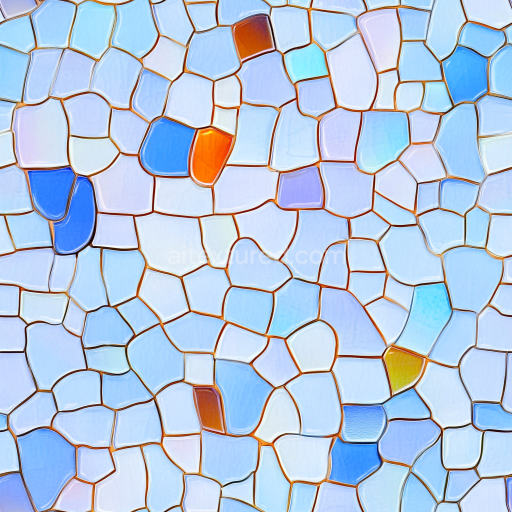
Mosaic PBR Texture Featuring Terracotta and Blue Stone Chips with Matte Finish
Seamless texture (tileable) · PNG, WEBP, PBR ZIP.
| ID | seamless-3d-texture-pbr-8k-cement-tiles-with-vibrant-colors-and-rough-grout-for-rustic-decorative-surfaces |
|---|---|
| Category | Mosaic |
| Formats | PNG, WEBP, PBR ZIP |
| Size | 1k (1024x1024px), 2k (2048x2048px), 4k (4096x4096px), 8k (8192x8192px) |
| Tileable | Yes |
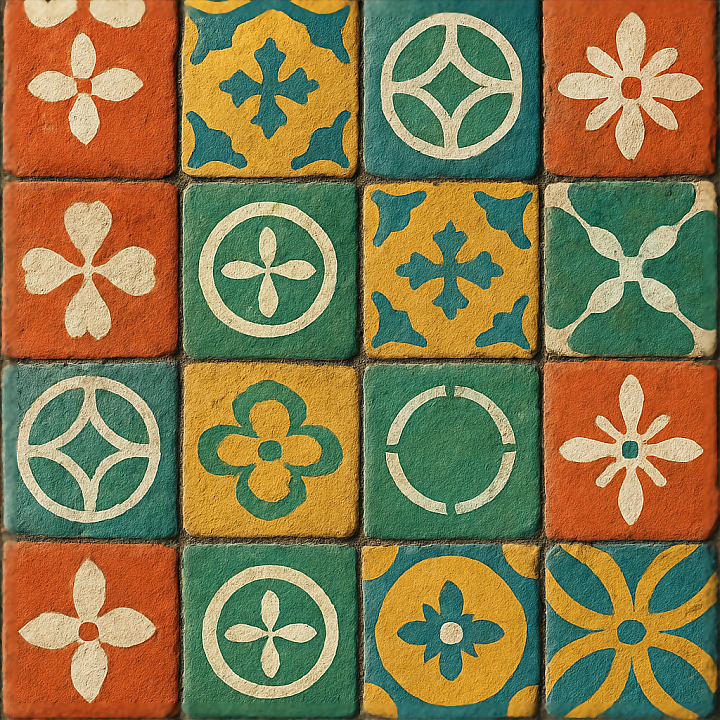
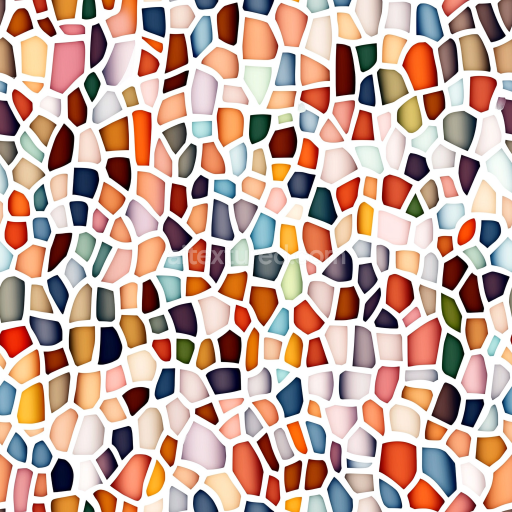
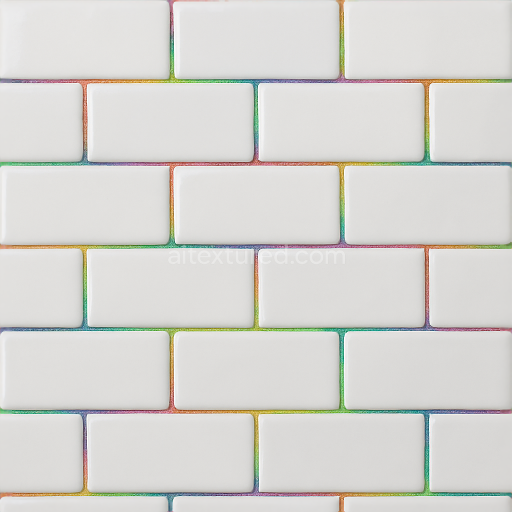
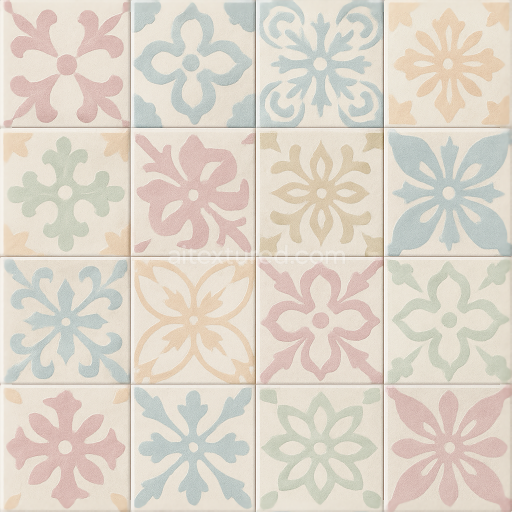
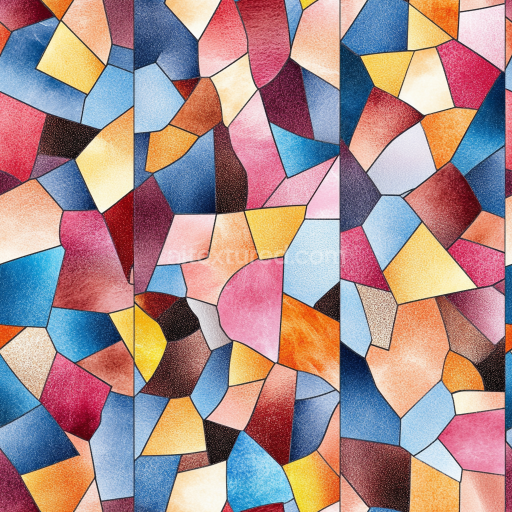
This seamless 3D texture presents a high-resolution 8K depiction of cement tiles characterized by a vibrant, multicolored palette and a distinct rustic appeal. The base material is a traditional cementitious substrate composed primarily of Portland cement, fine aggregates such as sand, and mineral pigments that provide the vivid hues. These tiles typically feature a square geometric form with intricate, repetitive patterns inspired by classic mosaic designs, creating visually engaging surfaces. The rough grout lines between tiles simulate weathered mortar with a gritty, uneven texture that adds depth and authenticity to the material.
The surface finish exhibits a slightly matte, unpolished look, typical of hand-crafted cement tiles, where subtle micro-roughness and fine grain are evident due to the natural porosity and aggregate distribution. The texture maps are carefully designed to replicate these material qualities across PBR channels: the BaseColor (Albedo) captures the rich, saturated pigments and subtle color shifts; the Normal map defines the shallow relief of tile edges, patterned embossing, and rough grout indentations; Roughness highlights the contrast between smoother tile surfaces and the coarse, gritty grout lines; Metallic remains minimal to none, reflecting the non-metallic nature of cement; Ambient Occlusion enhances the perception of depth within grout recesses and tile borders; Height/Displacement maps facilitate realistic depth cues from the tile relief and grout gaps.
Designed for seamless tiling, this texture supports large-scale applications without visible repetition or seams, making it suitable for photorealistic rendering in Blender, Unreal Engine, and Unity projects. Its 8K resolution ensures exceptional detail clarity even in close-up views, essential for architectural visualizations and game environments requiring high fidelity. The texture’s balanced roughness and detailed normal information allow for effective light interaction, simulating the diffuse reflections and subtle shadowing expected from a handcrafted cement mosaic surface.
For practical implementation, it is recommended to carefully adjust the UV scale to maintain the tile pattern’s natural proportions relative to the scene context, avoiding distortion or unnatural repetition. Additionally, fine-tuning the roughness channel can help achieve the desired level of surface wear—reducing roughness slightly can simulate a more polished or worn tile surface, while increasing it emphasizes rustic texture. Blending height and normal maps can enhance parallax effects, adding dimensionality to the grout and tile relief, especially in close-range renders or interactive environments.
Import the texture maps into Blender with sRGB color space for albedo/base color and Non-Color for normal, roughness, metallic, AO, height, and ORM maps. Connect normal maps through a Normal Map node, then adjust UV scale with a Mapping node so the material repeats naturally on your model.
For the full step-by-step setup, see How to Use Seamless Textures in Blender. Browse related material examples in wood, concrete, and metal.
Yes. This texture is designed as a seamless tileable PBR material, so it can repeat across large surfaces without visible borders.
Use the download controls on this page: they expose the available PNG, WEBP or engine ZIP choices and supported resolutions for this asset.
Use the engine ZIP choices to package compatible source maps for Blender, Unreal Engine or Unity, then verify the imported material in the target application.
Commercial-use permission is not verified for this record. Confirm the original source and license before production use.
Generate maps from existing images, preview materials, convert channels, and package compatible inputs for Blender, Unity, and Unreal Engine.
Choose a verified workflow for generating maps, previewing tiling, converting channels, or starting from the texture catalog.
Derive Normal, Roughness, AO, Metallic, Height and optional ORM maps from one or more source images, then review the results.
Instant WebGL viewer: inspect materials on a sphere, plane, and cube. Check tiling and lighting in real time.
Re-packages maps per engine: Unreal (BaseColor + ORM), Unity (Mask/MetallicSmoothness), Blender (separate channels).
PNG ↔ JPG ↔ SVG: fast convert, SVG rasterize, embed/trace options, quality & background controls.