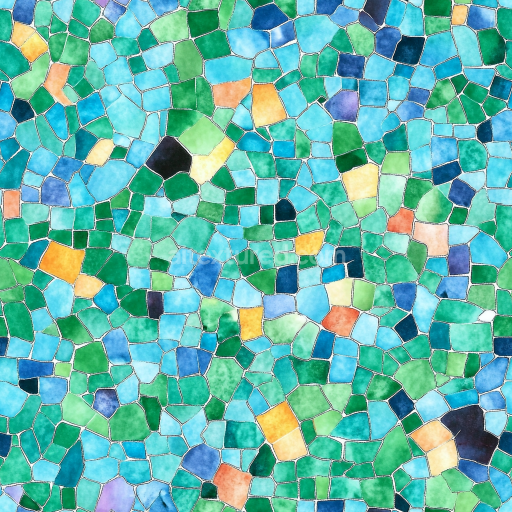
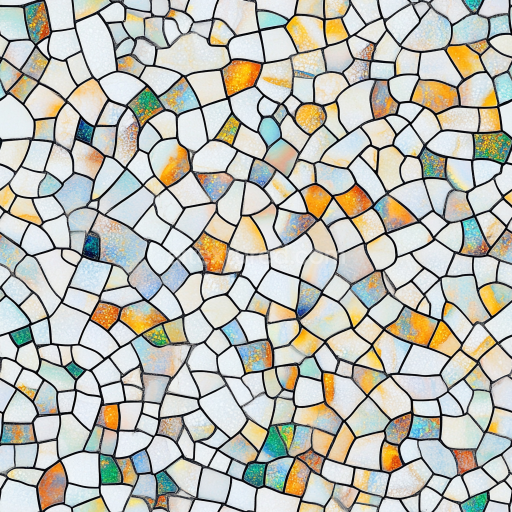
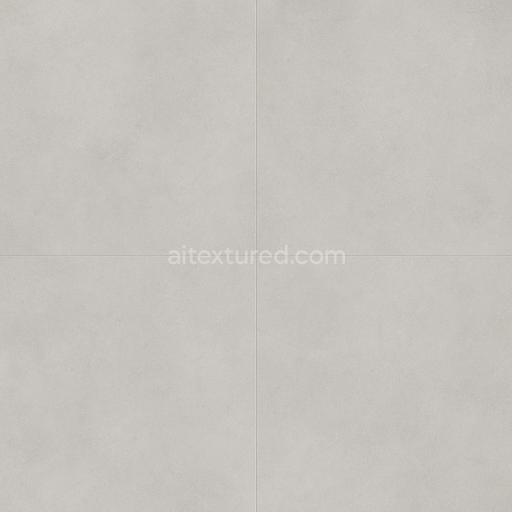
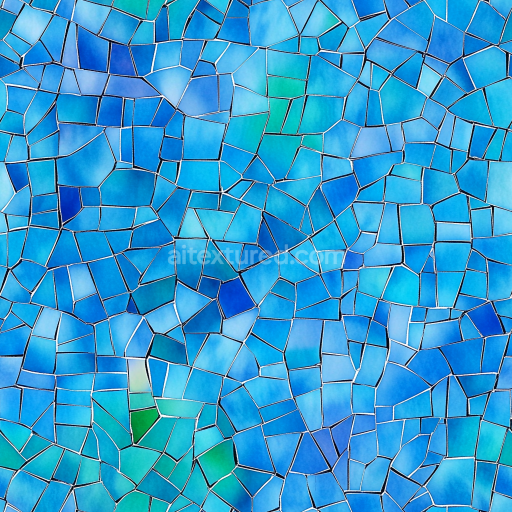
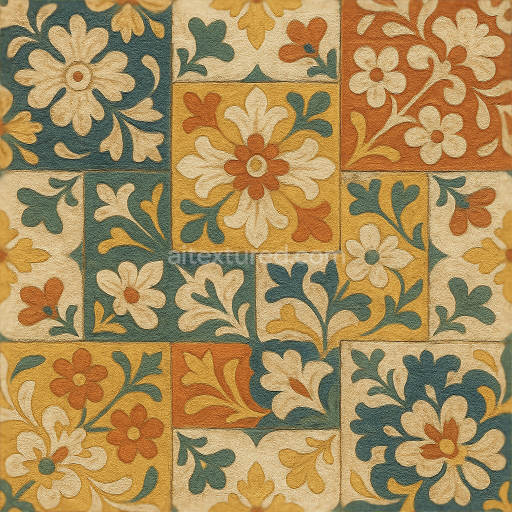
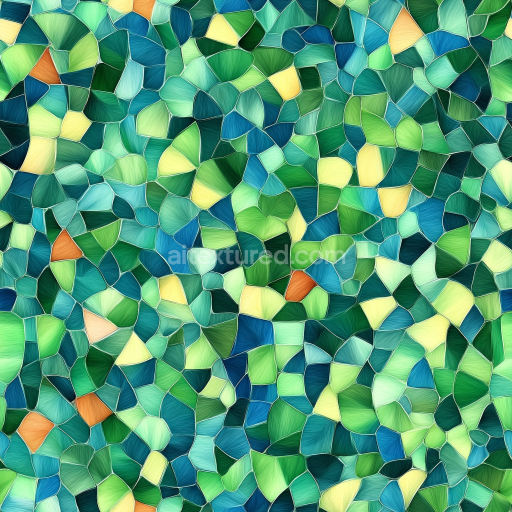
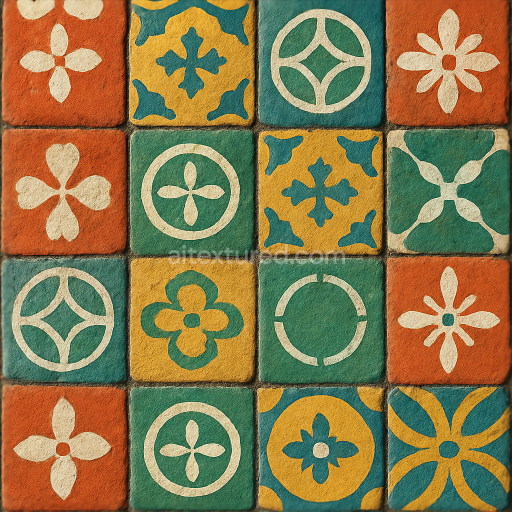
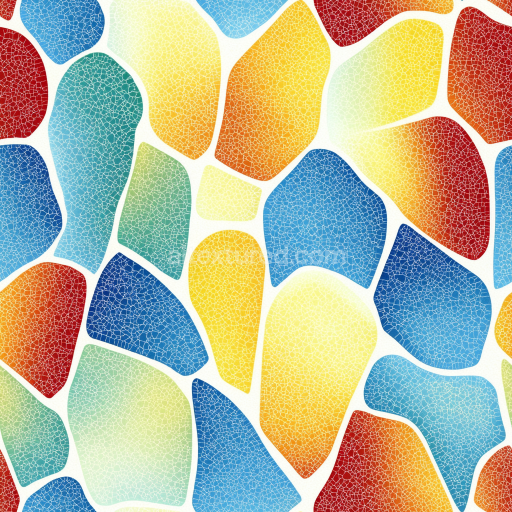
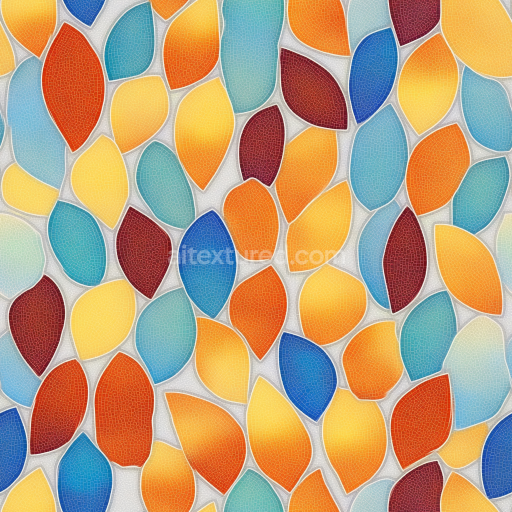
Colorful Irregular Ceramic Mosaic Tiles Seamless Texture with Matte Finish
Seamless texture (tileable) · PNG, WEBP, PBR ZIP.
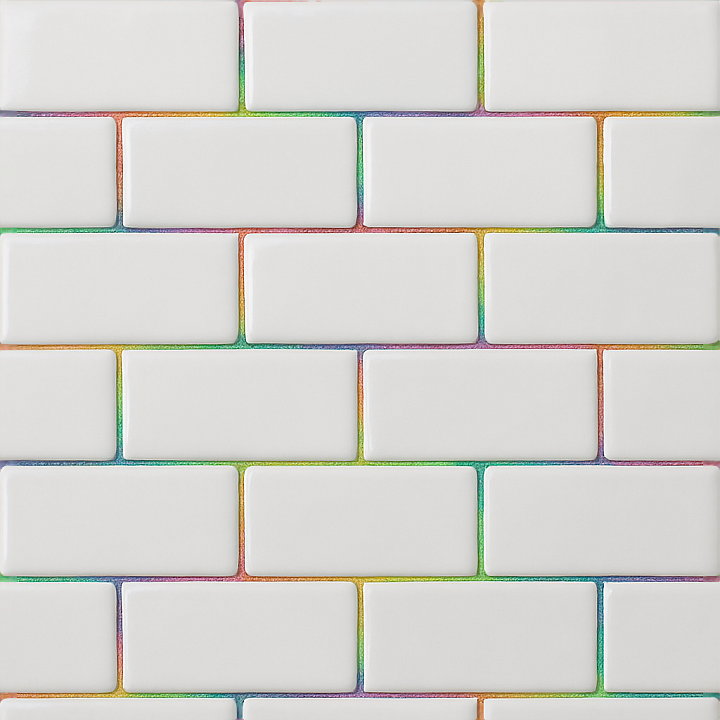
| ID | seamless-3d-texture-pbr-8k-subway-tiles-mosaic-with-white-tiles-and-glossy-finish |
|---|---|
| Category | Mosaic |
| Formats | PNG, WEBP, PBR ZIP |
| Size | 1k (1024x1024px), 2k (2048x2048px), 4k (4096x4096px), 8k (8192x8192px) |
| Tileable | Yes |
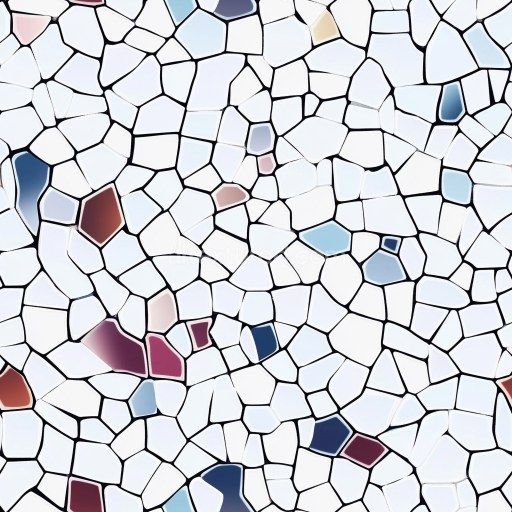
This seamless 3D texture features a meticulously crafted mosaic of classic white subway tiles, rendered in ultra-high 8K resolution for exceptional detail and clarity. Each tile exhibits a precise rectangular form typical of traditional subway tile patterns, arranged in a staggered brick-like layout that enhances architectural realism. The base material is a smooth ceramic substrate, known for its durable, non-porous surface, coated with a glossy finish that reflects light softly yet distinctly. The ceramic’s pristine white coloration is achieved through fine mineral pigments integrated within the glaze, providing a consistent and clean aesthetic throughout the texture.
The grout lines between the tiles introduce a colored and textured element, composed of a sand and cement mixture that adds subtle granularity and depth to the overall mosaic. This grout is carefully modeled to exhibit a slight roughness and porosity, contrasting the polished tile surfaces and enhancing the tactile feel of the material. The grout’s hue is customizable, allowing for varied visual accents that complement the white tiles. In PBR terms, the BaseColor channel captures the pure white of the tiles alongside the colored grout, while the Normal map defines the slight bevels and edges of each tile, contributing to realistic light interaction and shadowing in 3D environments.
The Roughness channel is finely tuned to reflect the glossy ceramic finish on the tiles, exhibiting low roughness values that generate crisp reflections and highlight the smooth, polished surfaces. Conversely, the grout areas have higher roughness values, simulating their more matte and textured nature. The Metallic channel remains near zero, as the materials involved are non-metallic ceramics and cementitious grout. Ambient Occlusion maps enhance the perception of depth in grout lines and tile edges, while Height or Displacement maps provide subtle relief for enhanced parallax and shadow effects, ensuring the mosaic’s geometric form reads convincingly in close-up renders.
This texture is optimized for seamless tiling, enabling continuous, uninterrupted patterns across large surfaces without visible repetition or seams. It is fully compatible with Blender, Unreal Engine, and Unity, supporting physically based rendering workflows for architectural visualization, interior design, and digital environment creation. For practical use, adjusting the UV scale can help tailor the tile size to specific project needs, while fine-tuning the roughness map can shift the finish from high gloss to satin for varied stylistic applications. Additionally, blending the height map with normal details can enhance surface complexity without compromising performance.
Import the texture maps into Blender with sRGB color space for albedo/base color and Non-Color for normal, roughness, metallic, AO, height, and ORM maps. Connect normal maps through a Normal Map node, then adjust UV scale with a Mapping node so the material repeats naturally on your model.
For the full step-by-step setup, see How to Use Seamless Textures in Blender. Browse related material examples in wood, concrete, and metal.
Yes. This texture is designed as a seamless tileable PBR material, so it can repeat across large surfaces without visible borders.
Use the download controls on this page: they expose the available PNG, WEBP or engine ZIP choices and supported resolutions for this asset.
Use the engine ZIP choices to package compatible source maps for Blender, Unreal Engine or Unity, then verify the imported material in the target application.
Commercial-use permission is not verified for this record. Confirm the original source and license before production use.
Generate maps from existing images, preview materials, convert channels, and package compatible inputs for Blender, Unity, and Unreal Engine.
Choose a verified workflow for generating maps, previewing tiling, converting channels, or starting from the texture catalog.
Derive Normal, Roughness, AO, Metallic, Height and optional ORM maps from one or more source images, then review the results.
Instant WebGL viewer: inspect materials on a sphere, plane, and cube. Check tiling and lighting in real time.
Re-packages maps per engine: Unreal (BaseColor + ORM), Unity (Mask/MetallicSmoothness), Blender (separate channels).
PNG ↔ JPG ↔ SVG: fast convert, SVG rasterize, embed/trace options, quality & background controls.