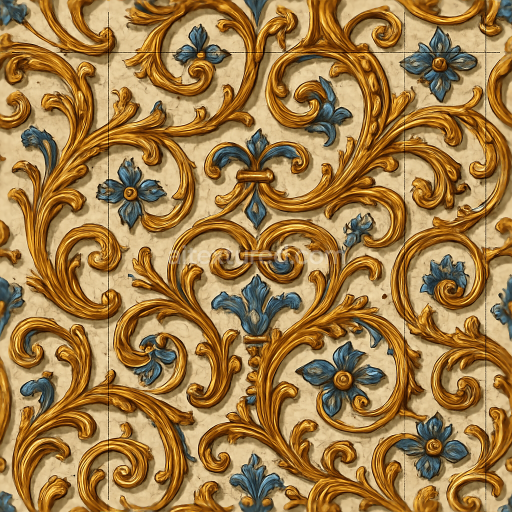
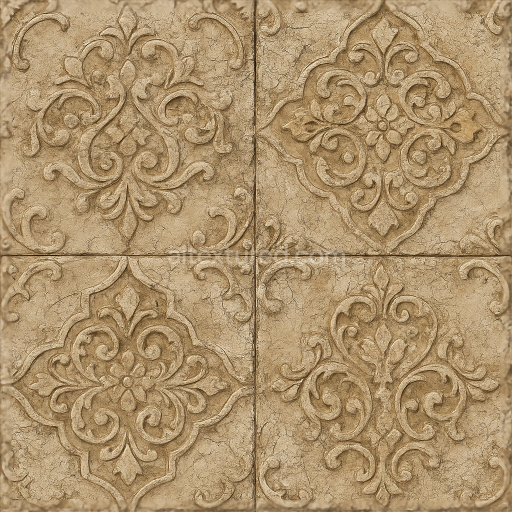
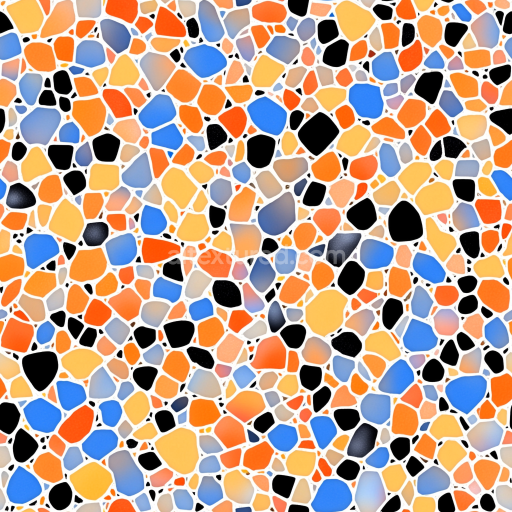
Antique Ceramic Mosaic With Cracked Glaze And Baroque Details
Seamless texture (tileable) · PNG, WEBP, PBR ZIP.
| ID | seamless-3d-texture-pbr-8k-encaustic-tiles-mosaic-with-floral-motifs-and-matte-finish |
|---|---|
| Category | Mosaic |
| Formats | PNG, WEBP, PBR ZIP |
| Size | 1k (1024x1024px), 2k (2048x2048px), 4k (4096x4096px), 8k (8192x8192px) |
| Tileable | Yes |
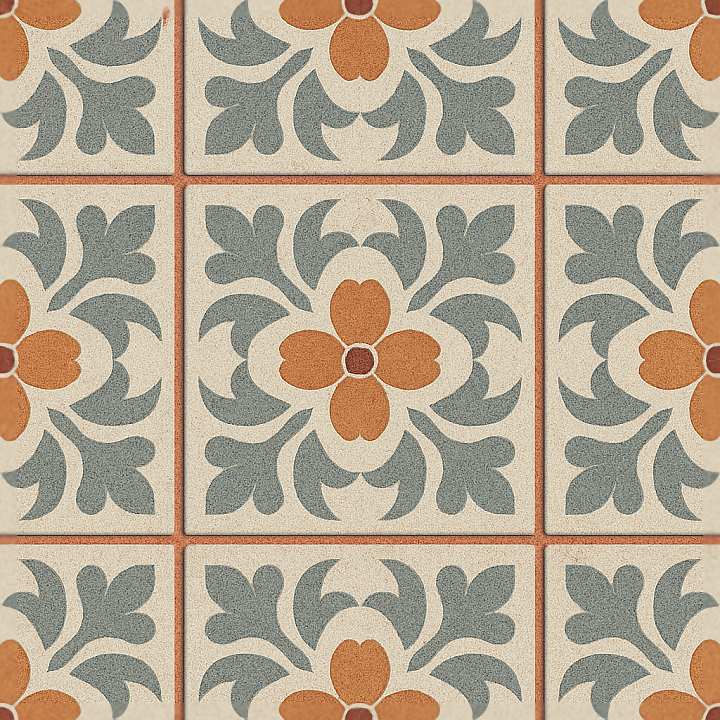
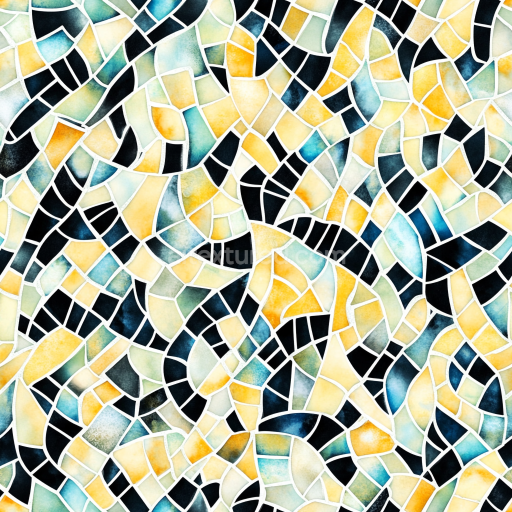
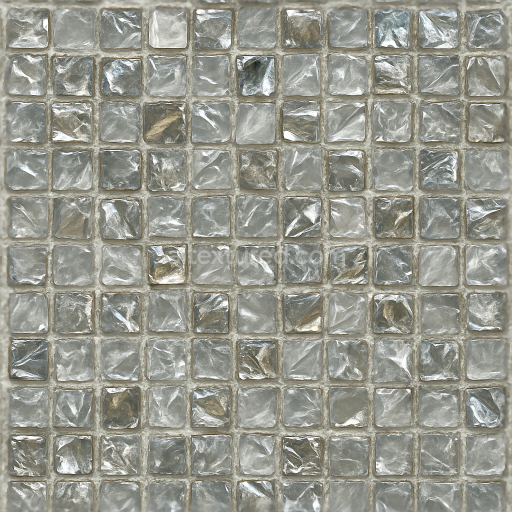
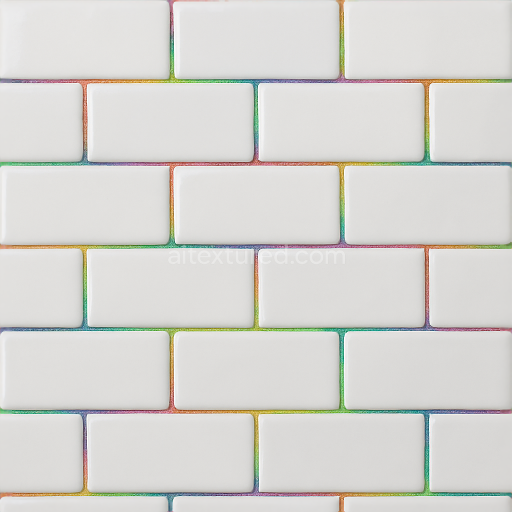
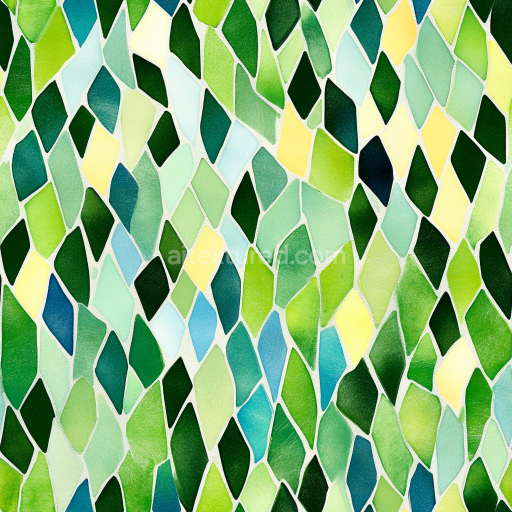
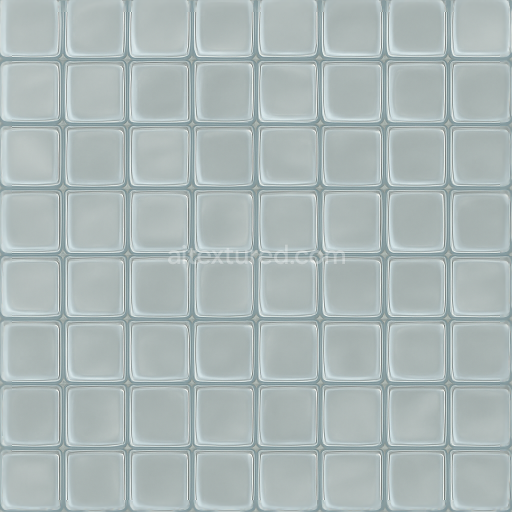
This seamless 3D PBR texture captures the intricate charm of encaustic tiles, formed from a cementitious substrate mixed with finely ground pigments and natural aggregates. The tiles display a geometric square format, arranged in a consistent mosaic pattern that highlights delicate floral motifs etched into the surface. The base material’s composition—primarily a blend of hydraulic cement and mineral pigments—produces a slightly porous yet durable form, characteristic of traditional encaustic craftsmanship. The colored grout filling the narrow joints is textured to simulate slight unevenness and subtle wear, enhancing the authenticity and handcrafted aesthetic of the mosaic.
The surface finish is a soft matte, achieved by a combination of fine abrasives and controlled curing processes, which diffuses light subtly without gloss or shine. This finish complements the floral designs, allowing the muted color palette and intricate relief details to stand out clearly. The texture’s PBR maps are carefully crafted: the BaseColor (Albedo) channel contains the natural pigments of the tiles and grout, capturing both vibrant and subdued tones. The Normal and Height maps emphasize the shallow relief of the floral motifs and grout lines, adding realistic depth and shadowing effects. Roughness values are set higher to maintain the matte quality, while the Metallic channel remains at zero, reflecting the non-metallic nature of cement and grout. Ambient Occlusion enhances crevices and joint shadows, contributing to the perception of three-dimensional form.
Rendered at 8K resolution, this texture provides exceptional detail suitable for close-up visualizations and photorealistic renders. It is optimized for seamless tiling, ensuring that repeated patterns do not show visible edges or mismatches, making it ideal for extensive surfaces in architectural visualizations, game environments, and digital art projects. Compatibility with Blender, Unreal Engine, and Unity is fully accounted for, ensuring straightforward integration into diverse workflows. The texture’s multi-channel setup allows artists to fine-tune surface roughness and height displacement for varied lighting conditions and rendering engines.
For practical application, it is recommended to carefully adjust the UV scale to preserve the tile size and motif proportions relative to the scene context. Additionally, blending the height map subtly with the normal map can enhance the perception of depth without causing rendering artifacts in real-time engines. Modifying roughness parameters can simulate variations from freshly laid to weathered surfaces, giving further control over realism in different environmental lighting scenarios.
Import the texture maps into Blender with sRGB color space for albedo/base color and Non-Color for normal, roughness, metallic, AO, height, and ORM maps. Connect normal maps through a Normal Map node, then adjust UV scale with a Mapping node so the material repeats naturally on your model.
For the full step-by-step setup, see How to Use Seamless Textures in Blender. Browse related material examples in wood, concrete, and metal.
Yes. This texture is designed as a seamless tileable PBR material, so it can repeat across large surfaces without visible borders.
Use the download controls on this page: they expose the available PNG, WEBP or engine ZIP choices and supported resolutions for this asset.
Use the engine ZIP choices to package compatible source maps for Blender, Unreal Engine or Unity, then verify the imported material in the target application.
Commercial-use permission is not verified for this record. Confirm the original source and license before production use.
Generate maps from existing images, preview materials, convert channels, and package compatible inputs for Blender, Unity, and Unreal Engine.
Choose a verified workflow for generating maps, previewing tiling, converting channels, or starting from the texture catalog.
Derive Normal, Roughness, AO, Metallic, Height and optional ORM maps from one or more source images, then review the results.
Instant WebGL viewer: inspect materials on a sphere, plane, and cube. Check tiling and lighting in real time.
Re-packages maps per engine: Unreal (BaseColor + ORM), Unity (Mask/MetallicSmoothness), Blender (separate channels).
PNG ↔ JPG ↔ SVG: fast convert, SVG rasterize, embed/trace options, quality & background controls.