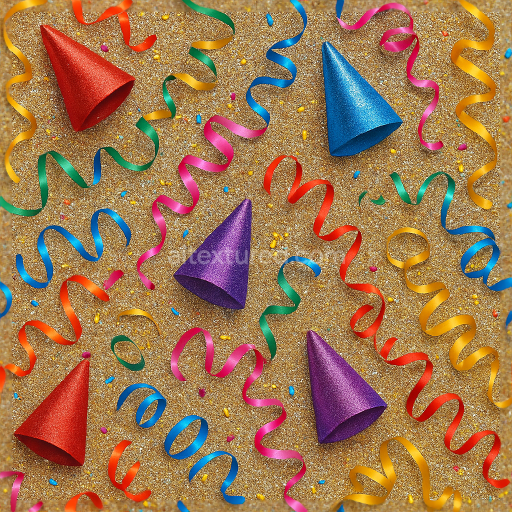
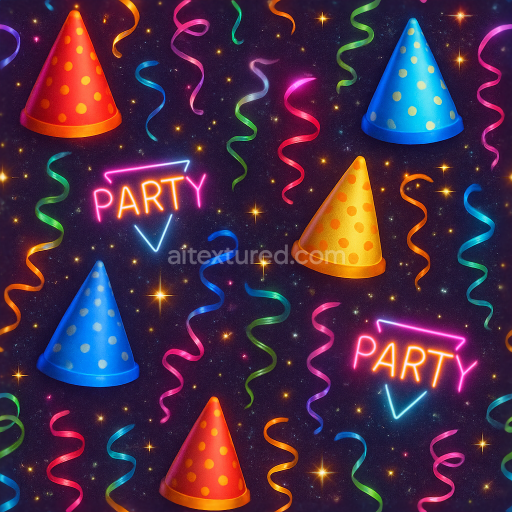
Glitter Party Hats And Ribbons For New Year
Seamless texture (tileable) · PNG, WEBP, PBR ZIP.
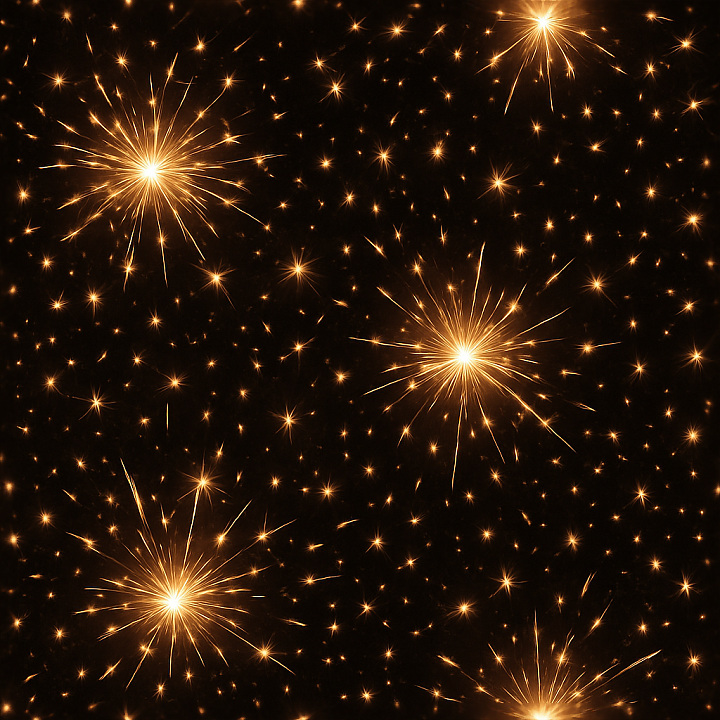
| ID | seamless-3d-texture-pbr-8k-glowing-fireworks-sparks-and-celebration-candles-for-new-year-sparkle |
|---|---|
| Category | New Year |
| Formats | PNG, WEBP, PBR ZIP |
| Size | 1k (1024x1024px), 2k (2048x2048px), 4k (4096x4096px), 8k (8192x8192px) |
| Tileable | Yes |
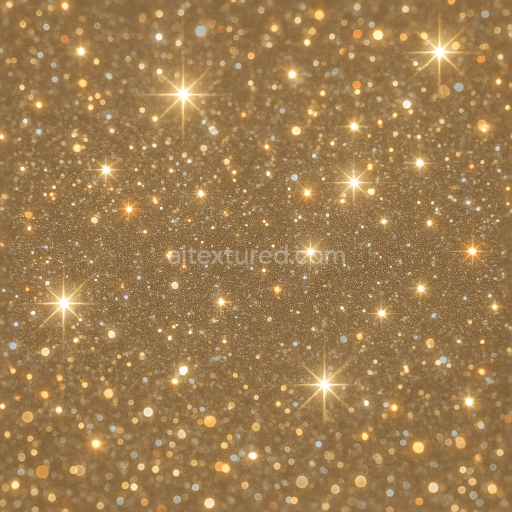
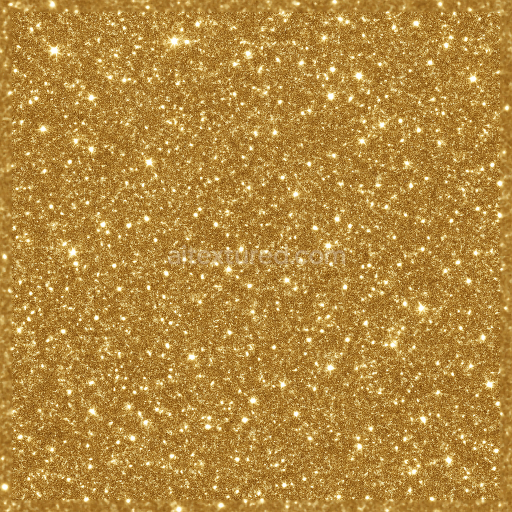
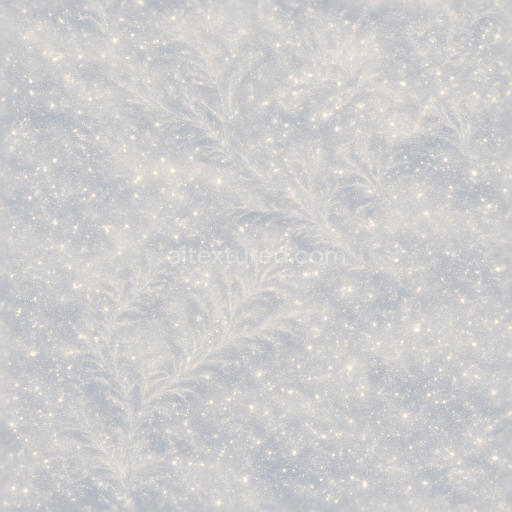
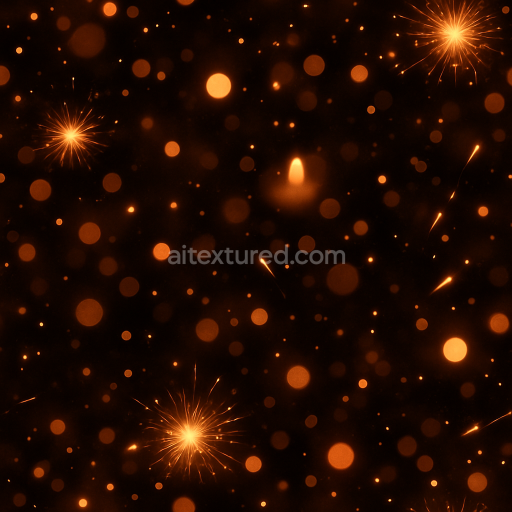
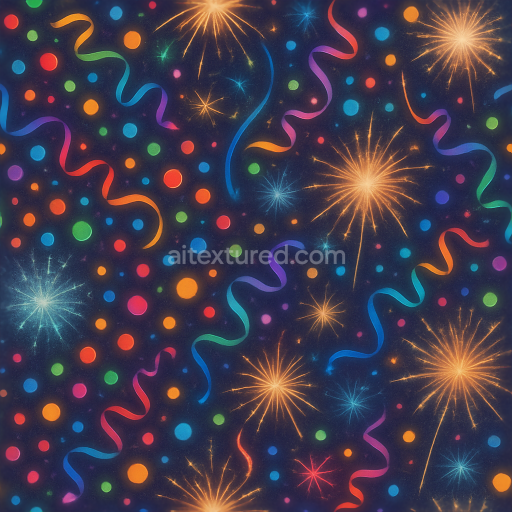
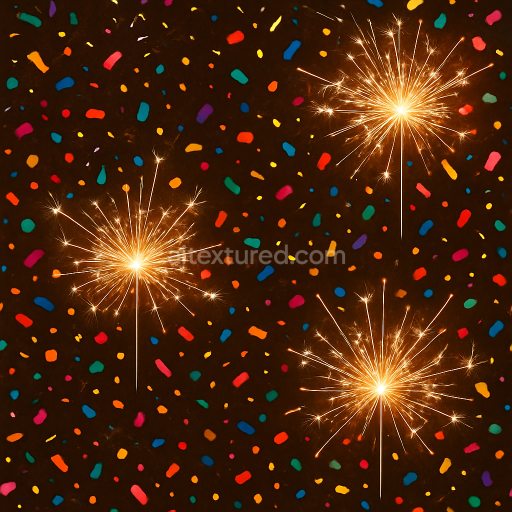
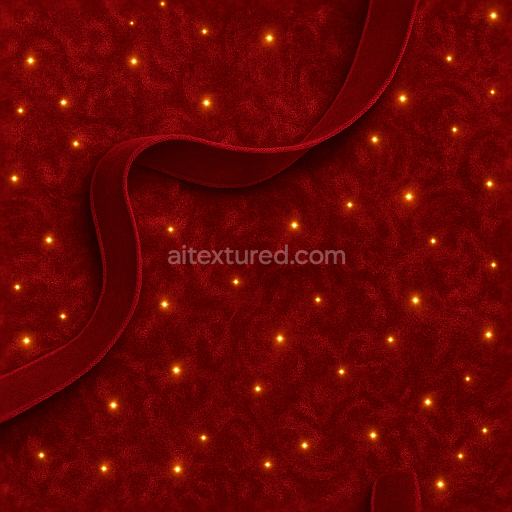
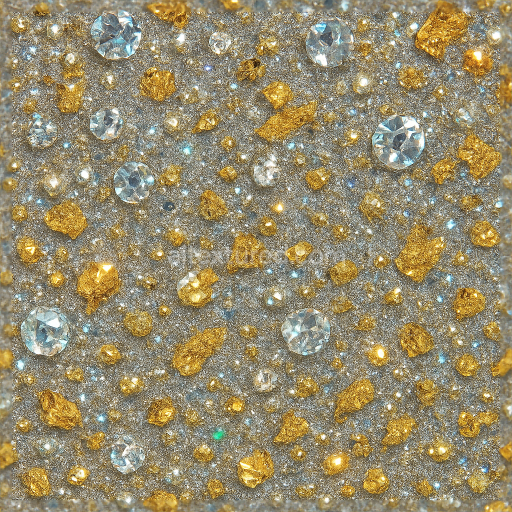
This seamless 3D texture presents a finely detailed surface inspired by the warm ambiance of glowing fireworks sparks interspersed with celebration candles, designed specifically for New Year-themed digital scenes. The material base mimics a semi-translucent wax substrate that captures the soft, diffused light emitted by candle flames and spark particles. Embedded within this substrate are tiny reflective aggregates simulating sparkle dust and flare effects, arranged in an organic, irregular pattern reminiscent of scattered sparkles and light bursts across a gently curved, slightly undulating surface. The overall form suggests a delicate weave of celebration sparkles over a smooth, polished waxy plane, emphasizing the interplay between light and material.*
The texture’s composition involves a primary wax-like binder with embedded microscopic glassy and metallic grains that reflect and refract light, creating the characteristic sparkle effect visible in the BaseColor and Metallic channels. Pigments in warm golds, ambers, and soft whites provide a festive holiday glow visible in the Albedo map, while subtle color variations enhance realism. The Normal map captures the fine surface undulations and the raised sparkle flares, adding microgeometry that enhances light interaction. Roughness values are carefully calibrated to reproduce the contrast between the smooth, polished candle surfaces and the slightly rougher sparkle dust areas, providing realistic light scattering and specular highlights. Ambient Occlusion subtly enhances the shadowing around clustered sparkles and candle edges, while the Height/Displacement map defines the gentle relief of wax drips and sparkling embers.*
Rendered at an 8K resolution, this texture ensures exceptional detail and clarity suitable for close-up views in Blender, Unreal Engine, and Unity projects. The high resolution preserves the intricate sparkle patterns and subtle surface nuances, making it ideal for photorealistic New Year decorations or festive digital environments. The texture is fully seamless and tileable, allowing flexible scaling without visible repetition. When applying, it is advisable to adjust the UV scale to balance the sparkle density across surfaces, and fine-tune the roughness map to control the intensity of reflections, ensuring the holiday glow effect matches the scene lighting. For enhanced depth, blending the height and normal maps can simulate more pronounced light bursts and candle wax textures, enriching the tactile quality of the material.*
Import the texture maps into Blender with sRGB color space for albedo/base color and Non-Color for normal, roughness, metallic, AO, height, and ORM maps. Connect normal maps through a Normal Map node, then adjust UV scale with a Mapping node so the material repeats naturally on your model.
For the full step-by-step setup, see How to Use Seamless Textures in Blender. Browse related material examples in wood, concrete, and metal.
Yes. This texture is designed as a seamless tileable PBR material, so it can repeat across large surfaces without visible borders.
Use the download controls on this page: they expose the available PNG, WEBP or engine ZIP choices and supported resolutions for this asset.
Use the engine ZIP choices to package compatible source maps for Blender, Unreal Engine or Unity, then verify the imported material in the target application.
Commercial-use permission is not verified for this record. Confirm the original source and license before production use.
Generate maps from existing images, preview materials, convert channels, and package compatible inputs for Blender, Unity, and Unreal Engine.
Choose a verified workflow for generating maps, previewing tiling, converting channels, or starting from the texture catalog.
Derive Normal, Roughness, AO, Metallic, Height and optional ORM maps from one or more source images, then review the results.
Instant WebGL viewer: inspect materials on a sphere, plane, and cube. Check tiling and lighting in real time.
Re-packages maps per engine: Unreal (BaseColor + ORM), Unity (Mask/MetallicSmoothness), Blender (separate channels).
PNG ↔ JPG ↔ SVG: fast convert, SVG rasterize, embed/trace options, quality & background controls.