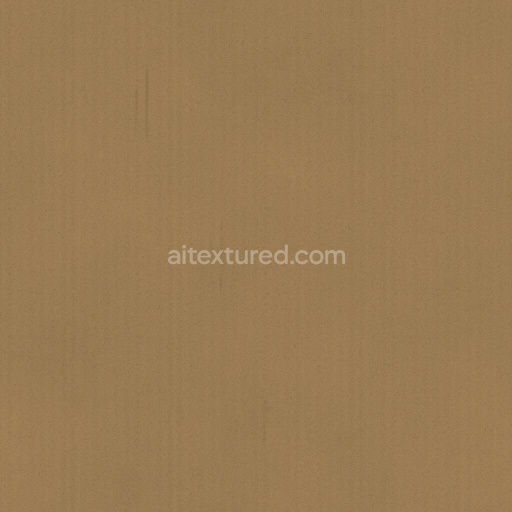
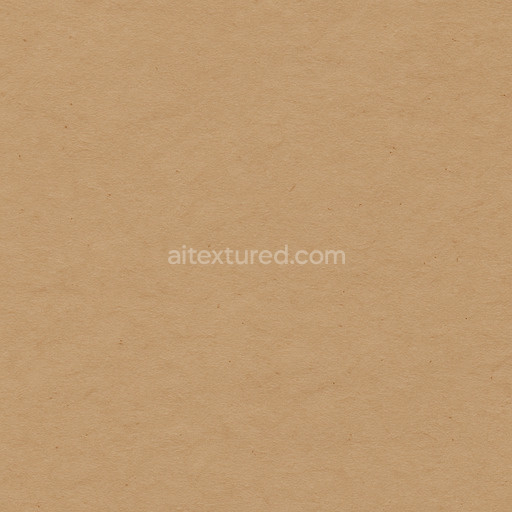
Carton Box Cardboard Texture | Free PBR
Seamless texture (tileable) · PNG, WEBP, PBR ZIP.
| ID | plain-cardboard-free-pbr |
|---|---|
| Category | Paper |
| Formats | PNG, WEBP, PBR ZIP |
| Size | 1k (1024x1024px), 2k (2048x2048px), 4k (4096x4096px), 8k (8192x8192px) |
| Tileable | Yes |
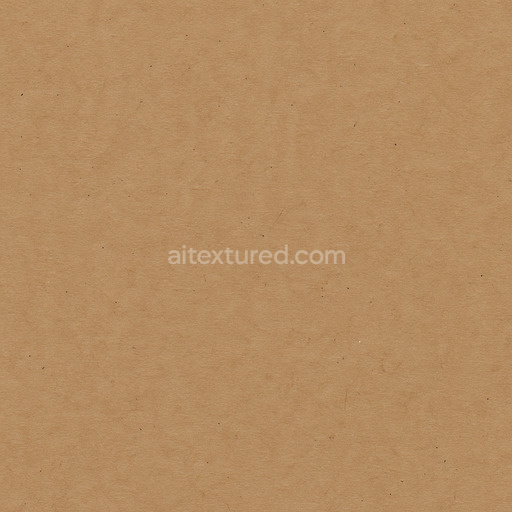
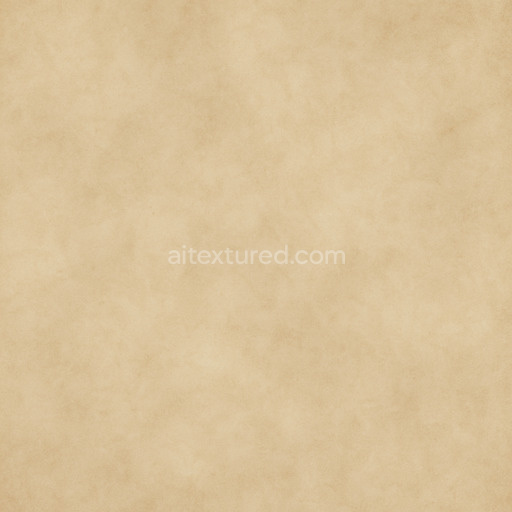
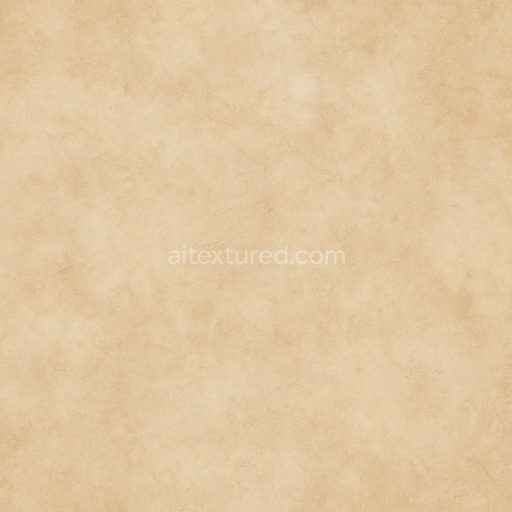
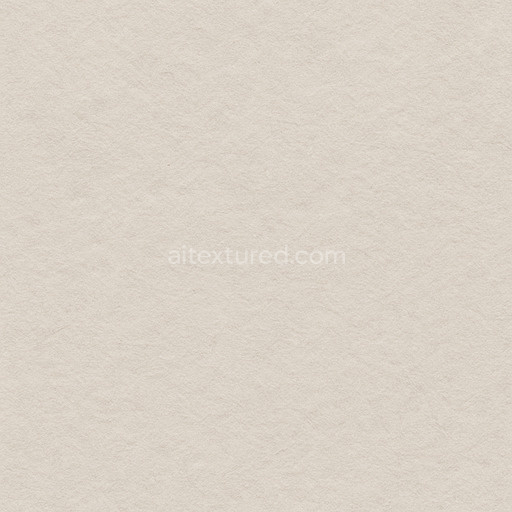
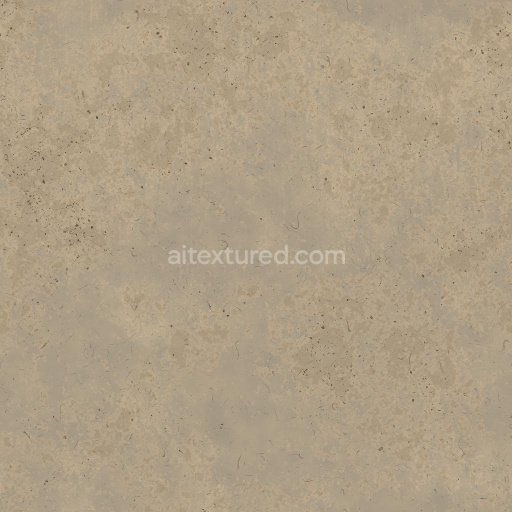
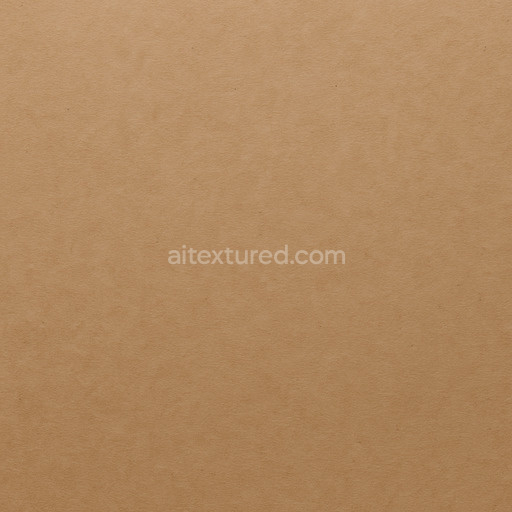
This high-quality seamless PBR texture accurately represents plain cardboard, a natural and organic material primarily composed of cellulose fibers derived from wood pulp. These fibrous elements are intricately bonded with starch-based adhesives, creating a sturdy yet lightweight substrate. The texture captures the subtle grain orientation and inherent porosity of the cardboard surface, revealing microfibers and tiny air pockets that contribute to its characteristic roughness and slight matte finish. Its untreated surface exhibits a warm, natural brown hue from unbleached fibers, with realistic variations in tone caused by uneven pigment distribution and minor weathering effects such as gentle creases and worn edges, all of which enhance the organic authenticity of the material.
In terms of PBR channels, the BaseColor (Albedo) map reflects the earthy, raw colors and natural color variation typical of untreated cardboard. The Normal map emphasizes the fine fibrous texture and subtle embossing created during manufacturing, giving depth to the surface details. The Roughness map highlights the matte, non-reflective quality of the substrate, showcasing diffuse light scattering with minimal glossiness, while the Metallic channel remains black, consistent with cardboard’s non-metallic nature. The Ambient Occlusion map enhances depth perception by accentuating crevices and fiber clusters, and the Height (Displacement) map captures the slight relief and layering of paper fibers, adding realism when used with parallax or tessellation effects.
Rendered at resolutions up to 8K, this texture is optimized for seamless integration in Blender, Unreal Engine, and Unity, ensuring crisp and detailed visuals even at close range. For practical application, adjusting the UV scale to match the typical dimensions of cardboard sheets significantly improves realism. Additionally, fine-tuning the roughness parameter can simulate various cardboard finishes, from raw and untreated to lightly coated surfaces, allowing for versatile use across packaging designs, product mockups, or environmental assets requiring authentic organic material representation.
Import the texture maps into Blender with sRGB color space for albedo/base color and Non-Color for normal, roughness, metallic, AO, height, and ORM maps. Connect normal maps through a Normal Map node, then adjust UV scale with a Mapping node so the material repeats naturally on your model.
For the full step-by-step setup, see How to Use Seamless Textures in Blender. Browse related material examples in wood, concrete, and metal.
Yes. This texture is designed as a seamless tileable PBR material, so it can repeat across large surfaces without visible borders.
Use the download controls on this page: they expose the available PNG, WEBP or engine ZIP choices and supported resolutions for this asset.
Use the engine ZIP choices to package compatible source maps for Blender, Unreal Engine or Unity, then verify the imported material in the target application.
Commercial-use permission is not verified for this record. Confirm the original source and license before production use.

Generate maps from existing images, preview materials, convert channels, and package compatible inputs for Blender, Unity, and Unreal Engine.
Choose a verified workflow for generating maps, previewing tiling, converting channels, or starting from the texture catalog.
Derive Normal, Roughness, AO, Metallic, Height and optional ORM maps from one or more source images, then review the results.
Instant WebGL viewer: inspect materials on a sphere, plane, and cube. Check tiling and lighting in real time.
Re-packages maps per engine: Unreal (BaseColor + ORM), Unity (Mask/MetallicSmoothness), Blender (separate channels).
PNG ↔ JPG ↔ SVG: fast convert, SVG rasterize, embed/trace options, quality & background controls.