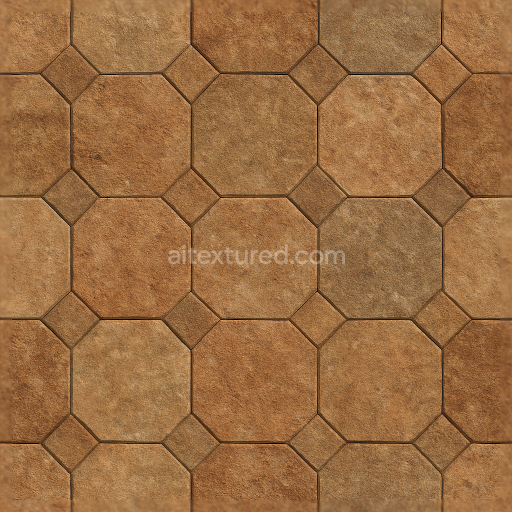
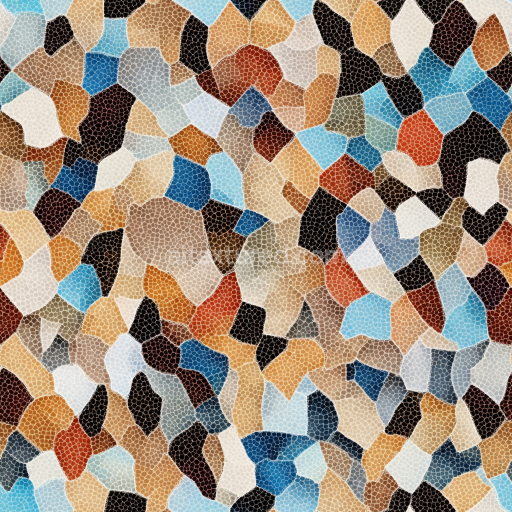
Octagonal Tiles Mosaic Featuring Earth Tones And Textured Surface Realism
Seamless texture (tileable) · PNG, WEBP, PBR ZIP.
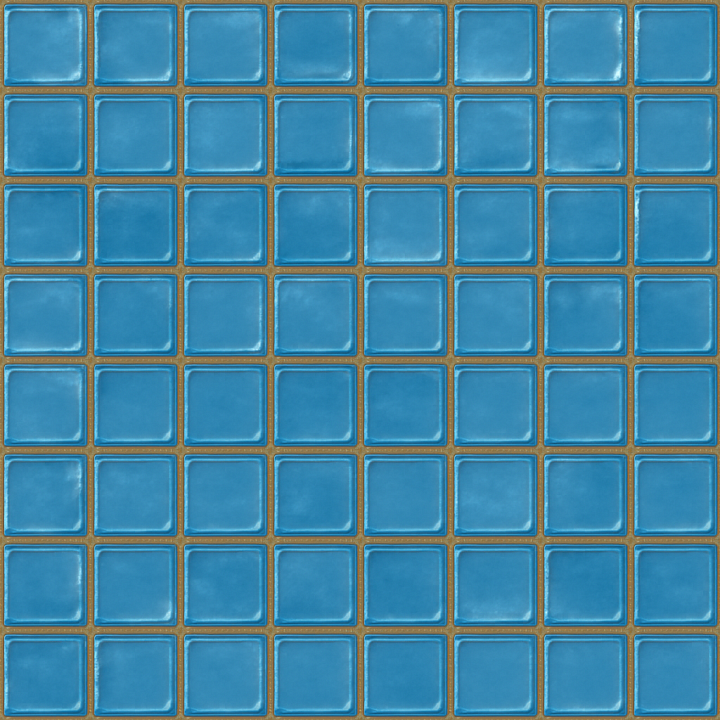
| ID | seamless-3d-texture-pbr-8k-glass-tiles-mosaic-with-blue-tiles-and-glossy-finish |
|---|---|
| Category | Mosaic |
| Formats | PNG, WEBP, PBR ZIP |
| Size | 1k (1024x1024px), 2k (2048x2048px), 4k (4096x4096px), 8k (8192x8192px) |
| Tileable | Yes |
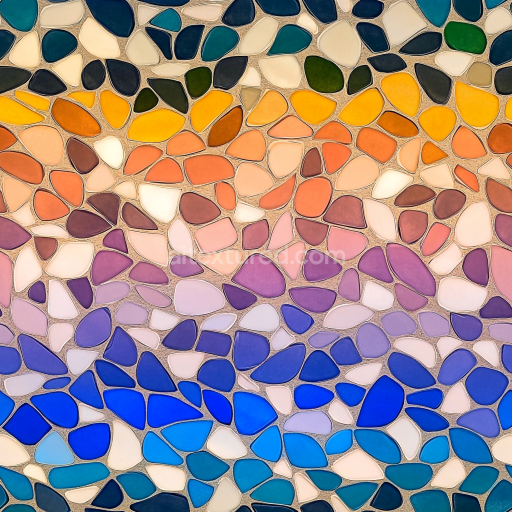
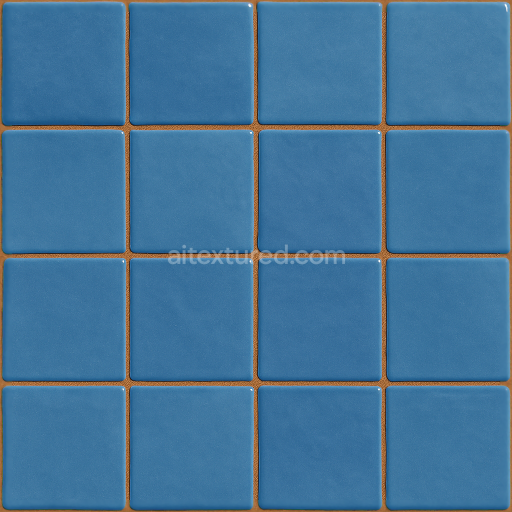
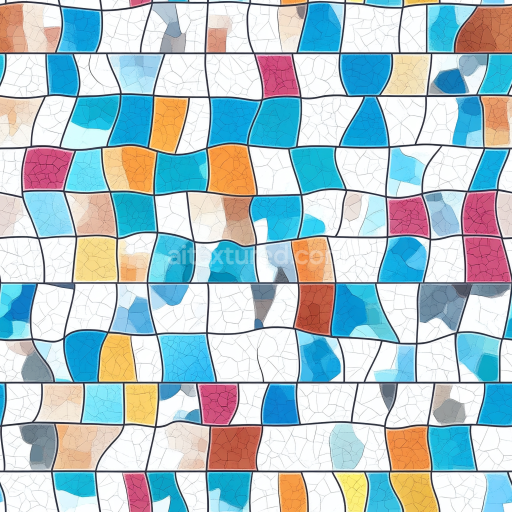
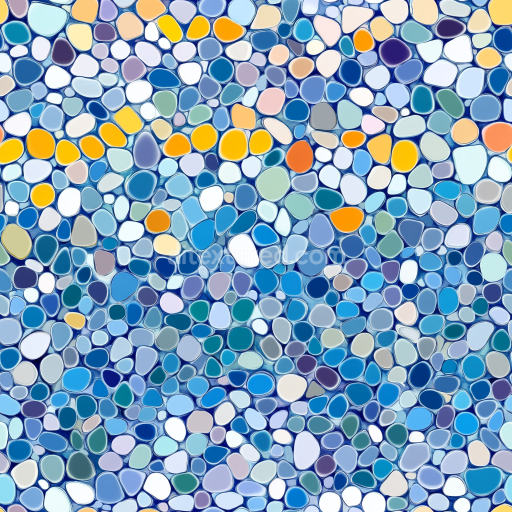
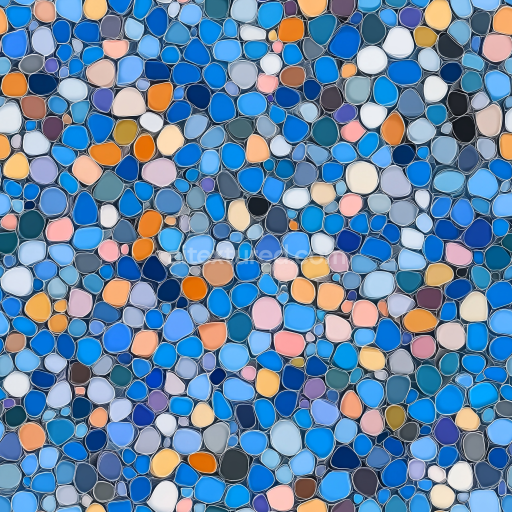
This seamless 3D texture features a meticulously crafted mosaic composed of small, uniformly sized glass tiles arranged in a tight grid pattern. Each tile is a vibrant blue with subtle tonal variations, highlighting the natural depth and translucency of glass as a base material. The tiles exhibit a polished, glossy finish that reflects light realistically, giving the surface a smooth and lustrous appearance. Between the tiles, a colored grout with a finely textured surface adds contrast and visually separates each element of the mosaic, enhancing the overall structure and dimensionality of the pattern.
The underlying substrate of this mosaic texture simulates a rigid, stable backing material, typically cement or a similar composite, providing solid support to the glass tiles. The grout acts as a binder, composed of fine aggregates and pigments that introduce slight surface irregularities and color differentiation, lending authenticity. The glass tiles themselves are modeled with low porosity, maintaining their reflective clarity and polished surface. Weathering effects are minimal, preserving the clean and pristine look of freshly installed mosaic glass. The combination of materials and forms results in a highly detailed and realistic tiled surface suitable for a variety of architectural visualizations.
In terms of physically based rendering (PBR) workflow, this texture is crafted with high fidelity maps designed for use in Blender, Unreal Engine, and Unity. The BaseColor (Albedo) map captures the vivid blue hues of the glass and the subtle coloration of the grout. The Normal map defines the crisp edges of each tile and the slight relief of the textured grout, enhancing the three-dimensional form. Roughness maps are finely tuned to emphasize the difference between the glossy glass tiles and the matte, textured grout lines. The Metallic channel remains at zero, consistent with non-metallic glass and grout materials. Ambient Occlusion enhances shadowing within grout crevices, while Height/Displacement maps add realistic depth and parallax effects to the tile edges and grout separation.
Rendered at an ultra-high 8K resolution, this seamless texture allows for close-up viewing without loss of detail, making it ideal for applications requiring precise surface detail and realism. When applying this texture, it is advisable to carefully adjust UV scale to maintain the correct tile proportions in the scene. Additionally, fine-tuning the roughness map can help balance the contrast between the reflective tiles and the more diffuse grout, ensuring a natural and visually appealing finish. Blending height and normal maps can further enhance the perception of depth and surface complexity, especially in dynamic lighting environments.
Import the texture maps into Blender with sRGB color space for albedo/base color and Non-Color for normal, roughness, metallic, AO, height, and ORM maps. Connect normal maps through a Normal Map node, then adjust UV scale with a Mapping node so the material repeats naturally on your model.
For the full step-by-step setup, see How to Use Seamless Textures in Blender. Browse related material examples in wood, concrete, and metal.
Yes. This texture is designed as a seamless tileable PBR material, so it can repeat across large surfaces without visible borders.
Use the download controls on this page: they expose the available PNG, WEBP or engine ZIP choices and supported resolutions for this asset.
Use the engine ZIP choices to package compatible source maps for Blender, Unreal Engine or Unity, then verify the imported material in the target application.
Commercial-use permission is not verified for this record. Confirm the original source and license before production use.
Generate maps from existing images, preview materials, convert channels, and package compatible inputs for Blender, Unity, and Unreal Engine.
Choose a verified workflow for generating maps, previewing tiling, converting channels, or starting from the texture catalog.
Derive Normal, Roughness, AO, Metallic, Height and optional ORM maps from one or more source images, then review the results.
Instant WebGL viewer: inspect materials on a sphere, plane, and cube. Check tiling and lighting in real time.
Re-packages maps per engine: Unreal (BaseColor + ORM), Unity (Mask/MetallicSmoothness), Blender (separate channels).
PNG ↔ JPG ↔ SVG: fast convert, SVG rasterize, embed/trace options, quality & background controls.