Creating and Optimizing Seamless PBR Textures for Realistic Synthetic Polymers
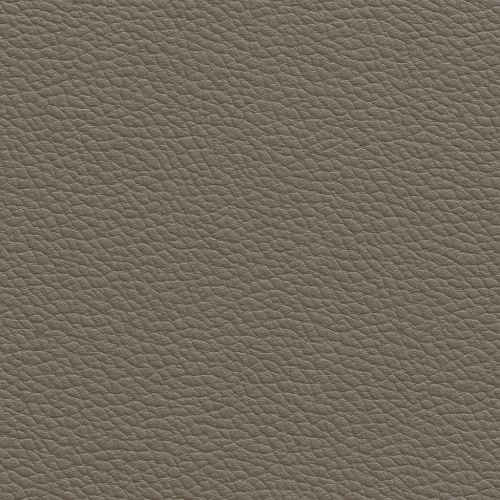
Synthetic polymers—encompassing a broad array of materials such as plastics, rubbers, silicones, and their myriad formulations—pose a distinct set of challenges and opportunities within physically based rendering (PBR) workflows. Their prevalence in industrial design, consumer products, automotive components, and props makes them indispensable assets for artists working in games, architectural visualization, and visual effects pipelines. Yet, the intrinsic complexity of their surface characteristics, combined with the need for efficient real-time rendering, demands a nuanced and specialized approach to texture creation, calibration, and optimization. Understanding the subtle interplay of their optical and tactile properties within a PBR framework is foundational to achieving convincing photorealism.
At a fundamental level, synthetic polymers exhibit a diverse range of reflectance behaviors that distinguish them sharply from natural materials like wood, stone, or metals. Unlike metals, which generally demonstrate high reflectance with a colored specular response, or dielectrics such as ceramics that tend to have more diffuse reflections, polymers often display a complex combination of surface and subsurface interactions. The majority fall under the dielectric category but with variations in translucency, subsurface scattering, and anisotropic microstructures. For example, silicone materials can exhibit soft, diffuse reflections coupled with a subtle translucency that scatters light beneath the surface, while certain hard plastics manifest sharper specular highlights influenced by their polished or matte finishes. Rubber surfaces, depending on formulation, may have a highly diffuse albedo with a broad distribution of roughness values and minimal specular contribution, yet still show micro-gloss variations under grazing angles.
To faithfully represent these nuances, PBR texturing must move beyond the simplistic application of standard metallic-roughness or specular-gloss workflows. The canonical PBR maps—albedo (diffuse color), roughness (microfacet distribution), normal (surface detail), ambient occlusion (local shadowing), height (parallax or displacement), and metallic (metal vs. dielectric classification)—each require precise tuning and sometimes augmentation to capture polymer-specific effects. For instance, albedo maps of synthetic polymers are often deceptively uniform in hue but contain subtle chromatic shifts induced by additives, UV degradation, or manufacturing residues. Capturing these variations involves a combination of high-resolution photographic sources, carefully controlled scanning techniques, or procedural authoring that simulates polymer granularity and translucency.
Roughness maps for polymers demand particular attention due to the wide spectrum of surface finishes encountered—from glossy injection-molded plastics to matte rubbers with micro-textured coatings. Achieving photorealism hinges on accurately modeling the microfacet distribution governing specular reflections. In practice, this often requires separating the roughness channel into multiple layers or splatting detail maps to simulate micro-variation at different scales. Such micro-variation is crucial to avoid the “plastic toy” look, characterized by overly uniform reflections that betray synthetic origins. Normal maps augment this effect by introducing fine surface undulations, scratches, and mold lines that break up specular highlights and contribute to tactile realism. When authoring normals for polymers, one must consider the anisotropic nature of certain materials—such as brushed plastics or stretched rubber—where the directionality of microfacets influences highlight shape and intensity.
Ambient occlusion (AO) maps play a subtle yet important role in polymer texturing. While polymers typically lack the deep crevices and cavities common in natural stone or architecture, AO can enhance perceived depth in seams, embossing, or injection gate marks. Height maps, although less commonly used for polymers compared to hard surfaces like stone or metal, can be invaluable for displacement effects in high-quality archviz or VFX renders, adding micro-relief that enhances light interaction at grazing angles. Incorporating height data also aids in blending textures across UV seams and achieving convincing tiling patterns.
The metallic map is arguably the simplest for most synthetic polymers, as they are dielectrics with a metallic value of zero. However, it is essential to maintain strict adherence to this convention, as even minor deviations can introduce unnatural reflectance behaviors that break immersion. In rare cases where polymers are coated with metallic paints or embedded with conductive particles, careful channel blending is required to preserve physical plausibility.
Calibration of PBR textures for synthetic polymers is a critical step that often distinguishes an amateur asset from a production-ready one. Unlike natural materials, whose reflectance and roughness values can be referenced from extensive measured material databases, synthetic polymers often require bespoke calibration tailored to the specific product or application. This involves iterative testing within target engines such as Unreal Engine or Blender’s Eevee and Cycles renderers, adjusting texture parameters to match real-world references under standardized lighting conditions. Artists must be proficient in leveraging engine-specific shader models and post-processing effects like screen-space reflections and subsurface scattering to approximate polymer translucency and gloss. For example, Unreal Engine’s material editor allows nuanced manipulation of roughness and specular inputs combined with subsurface scattering profiles to simulate soft silicone surfaces with convincing light diffusion.
Optimization strategies are paramount for synthetic polymer textures intended for real-time applications, where balancing fidelity with performance constraints is challenging. Due to their often subtle but critical micro-variations, excessive reliance on high-resolution texture maps can inflate memory budgets. Techniques such as detail map blending, procedural noise overlays, and anisotropic filtering can reduce the need for ultra-high-resolution albedo and roughness maps while preserving material complexity. Additionally, employing texture atlases and channel packing—where roughness, AO, and metallic data occupy the red, green, and blue channels of a single texture—can streamline asset pipelines and minimize draw calls. Careful mipmap generation and anisotropic filtering settings help maintain surface detail across varying camera distances and angles, essential for polymers whose appearance is highly sensitive to viewing direction.
Tiling synthetic polymer textures requires particular finesse, as uniform tiling patterns can rapidly erode realism by producing repetitive highlights or seam artifacts. Introducing controlled randomness through micro-variation maps—either procedural or hand-painted—breaks up these patterns and mimics the subtle heterogeneity found in manufactured polymers, such as speckling, grain, or micro-scratches. UV layout optimization also plays a role; minimizing stretching and distortion preserves the fidelity of normal and roughness maps, which directly influence perceived surface quality.
In synthesis, the unique optical and tactile characteristics of synthetic polymers necessitate a PBR texturing workflow that is both technically rigorous and artistically sensitive. From acquisition—whether via photogrammetry, multispectral scanning, or procedural generation—to authoring maps that accurately represent the interplay of diffuse color, microfacet distribution, and subsurface phenomena, each step must be calibrated against physical references and refined through iterative engine testing. Optimization techniques tailored for real-time engines ensure that these visually complex materials can be deployed without prohibitive performance costs. Mastery of these considerations empowers artists and technical directors to elevate synthetic polymer assets beyond flat, artificial appearances, delivering convincing, immersive materials that hold up under the scrutiny of modern rendering engines and diverse lighting environments.
Acquiring accurate and high-fidelity textures of synthetic polymers presents a unique set of challenges and opportunities within the realm of physically based rendering (PBR) workflows. The intrinsic optical and surface characteristics of synthetic polymers—ranging from highly glossy finishes and subtle translucency to complex micro surface details—demand a meticulous approach to data capture that preserves the physical realism necessary for convincing digital materials. To effectively create seamless PBR textures tailored for synthetic polymers, one must carefully select and combine acquisition techniques such as photogrammetry, high-resolution scanning, and procedural generation, each contributing distinct strengths to the final material set.
Photogrammetry remains a foundational technique for capturing the intricate surface details and natural variation present in synthetic polymers. When executed with precision, photogrammetry can deliver exceptionally detailed albedo and normal maps, alongside ambient occlusion (AO) and height information, directly derived from high-resolution photographic datasets. However, the success of photogrammetry hinges on mitigating challenges posed by the optical properties of synthetic polymers. Glossy surfaces, for example, introduce specular highlights and reflections that often confound traditional photogrammetric pipelines, leading to artifacts or incorrect surface reconstructions. To combat this, practitioners typically employ cross-polarization filters on both camera and lighting sources to suppress specular reflections, thereby isolating the diffuse albedo component. This setup ensures that the captured images contain predominantly diffuse lighting information, which is critical for accurate albedo texture extraction without baked-in highlights.
Furthermore, synthetic polymers with varying translucency—such as thin plastics or semi-opaque materials—require delicate calibration of lighting angles and intensities to minimize subsurface scattering effects during image capture. Excessive translucency can cause light to bleed beneath the surface, blurring fine details and distorting normal and height map extraction. In these cases, employing directional lighting combined with backlighting tests helps identify optimal capture parameters that emphasize surface detail while minimizing subsurface light transport artifacts.
Once an extensive image set is acquired under controlled lighting, meticulous photogrammetric processing is required. Software pipelines like RealityCapture or Agisoft Metashape can reconstruct dense point clouds and generate high-resolution meshes. However, post-processing steps such as mesh decimation and retopology must be carefully balanced to preserve micro surface geometry essential to the tactile quality of synthetic polymers. This geometric fidelity underpins the accuracy of derived normal and height maps, which critically influence roughness and surface micro-variation in PBR workflows.
High-resolution scanning techniques, particularly structured light scanning and laser scanning, complement photogrammetry by providing precise surface geometry that is less susceptible to optical property artifacts. Structured light scanners project known patterns onto the surface, capturing geometry with sub-millimeter precision, which is especially beneficial for polymers with highly reflective or translucent surfaces that challenge photogrammetry. While these scanners may lack color fidelity compared to photogrammetry, their geometric data is invaluable for generating accurate height and normal maps, which can then be combined with separately captured albedo data.
In some advanced pipelines, integrating data from multiple scanners—including micro-CT for volumetric detail—can further enhance the representation of synthetic polymer surfaces, especially when internal material features or layered coatings are relevant to the shader model. However, this level of acquisition complexity is typically reserved for high-end VFX or product visualization projects where extreme accuracy is demanded.
Procedural generation plays a crucial role in complementing and optimizing acquired data, particularly for achieving seamless tiling and micro-variation across large surfaces. While photogrammetry and scanning yield highly detailed base textures, their inherent limitation lies in their fixed spatial resolution and often lack of perfect tiling. Synthetic polymers frequently exhibit repetitive micro surface structures such as subtle grain, injection molding marks, or uniform patterns that require seamless repetition in game engines or real-time renderers like Unreal Engine or Blender’s Eevee.
Procedural methods, leveraging noise functions, cellular patterns, or physically inspired algorithms, enable the synthesis of these micro details in a mathematically tileable manner. By integrating procedural roughness and normal map layers atop acquired base textures, artists can enhance the perceived complexity without increasing texture resolution or memory footprint. Moreover, procedural techniques facilitate dynamic variation of PBR parameters such as roughness and metallicity, which are often subtly modulated in synthetic polymers to simulate surface wear, chemical treatments, or layered finishes.
Calibration of the acquired data to physically accurate PBR maps is paramount. The albedo map must be free from baked-in shadows and specular reflections, representing purely diffuse reflectance. This is achieved through careful capture protocols and post-processing workflows that leverage HDRI lighting references and color calibration charts during acquisition. The roughness map, which defines microsurface scattering, is frequently derived from a combination of direct measurements and artist-driven adjustments informed by the visual characteristics of the polymer. High-gloss polymers, for example, require near-zero roughness values with fine-grained variation to capture the subtle interplay of specular highlights, while matte polymers demand higher roughness values and more pronounced micro-roughness patterns.
Normal and height maps are generated either directly through photogrammetric mesh displacement or through normal map baking workflows in software like Blender or Substance Painter. The fidelity of these maps is critical for simulating the tactile qualities of synthetic polymers, such as the fine grain of a thermoplastic or the embossed detail on a molded part. Ambient occlusion maps, derived from mesh lighting simulations or baked from high-poly models, complement these by enhancing perceived depth and contact shadows, especially in crevices or weld lines common to polymer parts.
Metallicity maps are generally of limited use for synthetic polymers, which predominantly behave as dielectrics; hence, they are often set to zero or near-zero values unless simulating polymer-metal composite materials or conductive coatings. However, retaining control over this channel remains important for artistic flexibility.
Optimization plays a crucial role in ensuring the textures are suitable for real-time engines without sacrificing realism. Leveraging mipmap generation techniques that preserve normal map detail and roughness contrast is essential. Techniques such as normal map compression using BC5 or ASTC formats in Unreal Engine ensure efficient GPU usage. Additionally, blending procedural detail dynamically at runtime, via shader nodes or material functions, helps maintain visual fidelity while reducing the need for prohibitively large texture sets.
In practical capture sessions, maintaining consistent scale references and high-precision color calibration charts is critical for reproducibility across texture sets and projects. This enables artists and technical directors to match synthetic polymer textures against physical references or to calibrate them against other materials within a scene for coherent lighting and shading behavior.
Ultimately, combining photogrammetry and high-resolution scanning provides a robust, data-driven foundation capturing the nuanced surface geometry and color variation of synthetic polymers. Procedural generation then extends and refines this base data, introducing seamless tiling and micro-variation essential for scalable, performant PBR textures. By addressing the unique challenges of glossiness, translucency, and micro surface structure through careful acquisition, calibration, and optimization, artists can produce synthetic polymer textures that convincingly translate the tactile and visual complexity of real-world materials into interactive digital environments.
Creating and calibrating core PBR maps for synthetic polymers demands a nuanced understanding of both the physical and optical properties inherent to these materials, as well as the technical constraints and opportunities presented by contemporary rendering engines such as Unreal Engine and Blender’s Cycles or Eevee. The foundational maps—albedo, roughness, normal, ambient occlusion (AO), height, and metallic—must be crafted with an eye toward the subtle interplay between reflectivity and translucency that characterizes many synthetic polymers, including polycarbonate, polyethylene, polyurethane, and acrylics. This section explores the acquisition, authoring, and precise calibration of these maps, emphasizing methods to achieve photorealistic surface response while optimizing for seamless tiling and engine compatibility.
At the core of synthetic polymer texturing lies the albedo map, which encodes the diffuse color information devoid of lighting and shadow. Unlike metals, polymers exhibit diffuse reflectance that often includes subtle subsurface scattering and slight translucency. Therefore, the albedo texture must carefully avoid baked-in shadows or highlights, as these cues are dynamically derived from the engine’s lighting model. When authoring albedo maps, it is vital to capture the true base color of the polymer, often a translucent or semi-opaque hue with a tendency for subtle color bleeding near edges or thin sections. Techniques such as spectrophotometric scanning or high-fidelity photography under controlled, diffuse lighting conditions can provide accurate color references. If scanning is unavailable, procedural texturing workflows in Substance Designer or Blender’s node editor can simulate the heterogeneous coloration typical of polymers, incorporating micro-variations that prevent visual monotony in large tiled surfaces.
The roughness map plays a pivotal role in defining the microsurface variations that modulate specular reflection and glossiness. Synthetic polymers generally exhibit a wide roughness range, from high gloss (near-polished acrylic) to matte (textured polyethylene). Hence, roughness maps must be carefully calibrated to reflect this variability. Unlike metals, polymers rarely have perfectly smooth surfaces; even injection-molded plastics have subtle micro-roughness caused by tooling marks or polymer crystallinity. Creating roughness maps often involves a combination of photographic roughness captures, micro-detail normal-to-roughness conversions, and procedural noise overlays to simulate surface imperfections. Importantly, roughness should not be conflated with specular intensity; instead, it controls the spread of specular highlights. Calibration involves iterative rendering tests under HDRI lighting to ensure that specular highlights behave realistically without appearing unnaturally sharp or overly diffuse. In engines like Unreal, the roughness channel is typically linear, so gamma correction must be managed carefully during authoring to preserve fidelity.
Normal maps are indispensable for imparting fine surface detail without increasing mesh complexity. For synthetic polymers, these details include subtle tooling marks, scratches, and micro-textures that disrupt uniform reflections. When authoring normal maps, it is essential to maintain a balance between pronounced features that convey realism and subtlety that avoids visual noise. High-resolution photogrammetry or laser scanning can yield excellent base normal data for polymers, but these often require retouching to remove artifacts or unnatural spikes. Procedural normal generation techniques can complement scanned data by adding micro-variation, such as cellular noise or scratches aligned with polymer grain or flow lines. Additionally, care must be taken to ensure seamless tiling of normal maps, especially when textures are intended for large surfaces like plastic panels or molded housings. Tiling artifacts can be mitigated through blending edges in texture space or employing triplanar projection methods in shader graphs. Calibration involves verifying normal map intensity and directionality in viewport previews and under multiple lighting angles to avoid exaggerated or flattened details.
Ambient occlusion (AO) maps serve to simulate self-shadowing in crevices and recessed areas, enhancing depth perception. For synthetic polymers, AO must be subtle, as many polymers transmit or scatter light internally, softening shadows. Thus, AO maps should avoid harsh occlusion, instead favoring low-contrast grayscale maps that gently darken areas where light is naturally occluded. AO can be generated via baked mesh lighting in software like Blender’s Cycles or Marmoset Toolbag, with care taken to exclude global illumination that would bake color bleeding into the AO channel. In authoring AO maps for polymers, it is beneficial to desaturate and blur baked AO textures to prevent sharp shadow edges inconsistent with the material’s semi-translucent nature. Combining AO with cavity maps that highlight micro-detail crevices can improve realism but should be balanced to avoid overly darkening surfaces, which could reduce perceived translucency.
Height maps contribute to parallax effects and displacement, enhancing the tactile realism of polymer surfaces. Unlike metals, synthetic polymers typically have relatively shallow surface relief, with height variations on the order of microns to millimeters, often reflecting injection mold textures or surface finishing processes. Height maps for polymers should capture these subtle variations without extreme depth, as exaggerated displacement can produce unnatural silhouettes or shading. When authoring height maps, high-bit-depth grayscale images are preferred to preserve gradient smoothness. Techniques for creating height maps include converting grayscale images from scanned surface profiles, deriving them from normal maps through differential calculations, or painting directly in digital sculpting tools like ZBrush or Blender’s sculpt mode. Calibration involves ensuring that displacement values in the shader or engine settings correspond realistically to physical scale; for example, a 0.1 mm bump should not produce a displacement of several centimeters. Unreal Engine’s tessellation must be tuned carefully to avoid performance penalties while maximizing visual fidelity, while Blender’s adaptive subdivision can efficiently handle moderate displacement.
The metallic map is typically the simplest for synthetic polymers, as most polymers are dielectrics with negligible metallic content. Consequently, the metallic channel is often a flat black (0.0) across the texture, indicating non-metallic behavior. However, some polymers incorporate metallic fillers or surface coatings, such as conductive plastics or pearlescent finishes, necessitating partial metallic values. In these cases, metallic maps should be carefully authored to reflect the spatial distribution of metallic inclusions or coatings, often using grayscale masks rather than binary values to simulate partial metalness. Calibration includes verifying that the metallic channel interacts correctly with roughness and albedo to produce physically plausible reflections. In engines, metallic maps influence Fresnel reflectance and energy conservation calculations, so errors can lead to unrealistic sheen or attenuation.
Balancing reflectivity and translucency is critical to achieving realistic synthetic polymer appearance. Unlike opaque metals, polymers often exhibit subsurface scattering (SSS) or translucency, which cannot be fully captured by standard PBR maps alone. To address this, artists integrate additional maps or shader parameters such as subsurface color, scattering radius, or translucency strength. Calibration requires iterative testing under varied lighting conditions, including direct sunlight, diffuse skylight, and indoor artificial illumination. For example, an acrylic material may require a low roughness value combined with a subtle subsurface scattering profile to simulate light penetration and internal diffusion accurately. Engines like Unreal provide subsurface profiles and subsurface scattering materials that can be fine-tuned alongside PBR maps to balance surface reflection and volumetric light transport.
Tiling and micro-variation techniques are essential for avoiding repetitive patterns that betray synthetic textures’ realism. For synthetic polymers, subtle randomization of albedo tint, roughness variation, and micro-normal detail can mimic natural polymer heterogeneity caused by manufacturing processes or environmental wear. Procedural noise and mask blending in Substance Designer or Blender nodes enable artists to layer these variations seamlessly. Additionally, employing triplanar mapping for micro-detail normal maps can reduce visible seams in UV charts, especially on complex geometries. Optimization involves balancing texture resolution and channel packing; for example, combining roughness and metallic maps into a single texture channel reduces memory usage without sacrificing quality. Compression artifacts, particularly in roughness and normal maps, must be minimized through appropriate codec selection and mipmap biasing to preserve fine detail.
In practical pipelines, iterative calibration between authoring tools and rendering engines is indispensable. Artists should maintain consistent color spaces—linear for roughness and metallic, sRGB for albedo—to prevent gamma-induced inaccuracies. Previewing textures under standardized HDRI environments and engine-specific shader models helps detect discrepancies early. Leveraging engine-specific features, such as Unreal Engine’s Material Instance Parameters or Blender’s shader nodes with real-time viewport feedback, accelerates tuning cycles. Finally, efficient use of texture streaming and level-of-detail strategies ensures that high-fidelity synthetic polymer textures perform well in interactive contexts without compromising visual integrity.
In summary, creating and calibrating core PBR maps for synthetic polymers requires a multifaceted approach that integrates accurate base color capture, precise micro-surface detailing, and subtle control of optical properties. By carefully authoring and optimizing albedo, roughness, normal, AO, height, and metallic maps—and by judiciously balancing reflectivity with translucency—artists can produce seamless, realistic synthetic polymer textures that respond convincingly under diverse lighting environments while remaining performant in modern rendering engines.
FAQ
What is covered in this guide?
This guide explains Creating and Optimizing Seamless PBR Textures for Realistic Synthetic Polymers with practical notes for seamless PBR materials, texture setup, and production use.
Can I use these texture techniques in Blender, Unreal Engine, and Unity?
Yes. The workflow focuses on standard PBR maps and tileable materials that can be used in Blender, Unreal Engine, Unity, archviz, games, and VFX pipelines.
Where can I find textures for this workflow?
Use the AITextured texture library and the related texture links on this page to find seamless PBR materials and preview them before download.
Related Textures
 Procedural Stamped Sidewalk Concrete PBR Texture
 Procedural Fine Asphalt Road PBR Texture
 Procedural Pitted Concrete PBR Texture
 Seamless Concrete Pebble PBR Texture in 4K Resolution
 Seamless PBR Concrete Rubble Texture with Debris and Fragments
 Seamless Hexagonal Concrete Tile PBR Texture 4K
 Cracked Asphalt Texture with Weathering