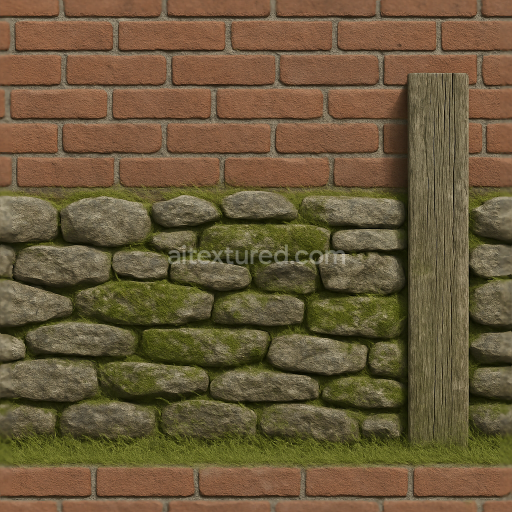
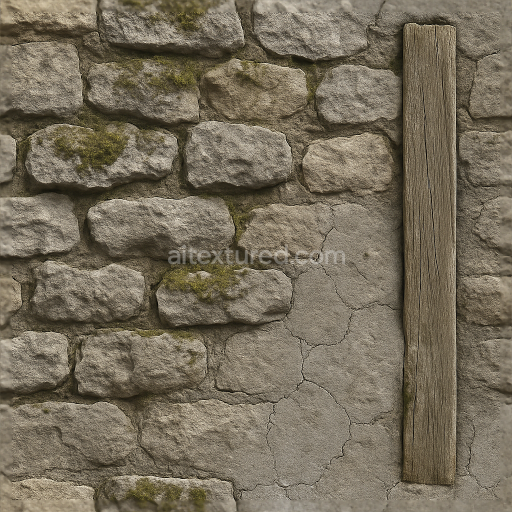
Brick Wall Fence With Dry Stone Wall Elements And Mossy Stone Patches
Seamless texture (tileable) · PNG, WEBP, PBR ZIP.
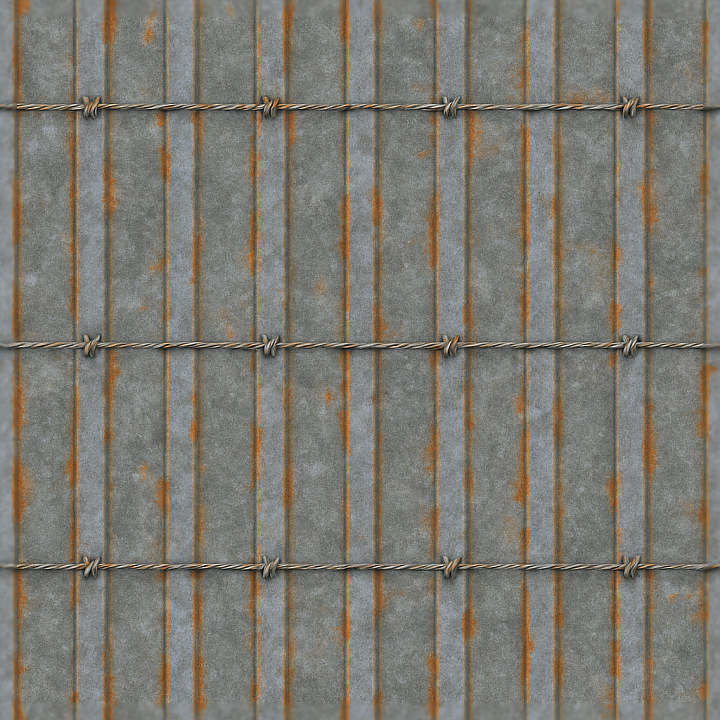
| ID | seamless-3d-texture-pbr-8k-security-fence-with-steel-bars-and-galvanized-metal-rust-details |
|---|---|
| Category | Fences |
| Formats | PNG, WEBP, PBR ZIP |
| Size | 1k (1024x1024px), 2k (2048x2048px), 4k (4096x4096px), 8k (8192x8192px) |
| Tileable | Yes |
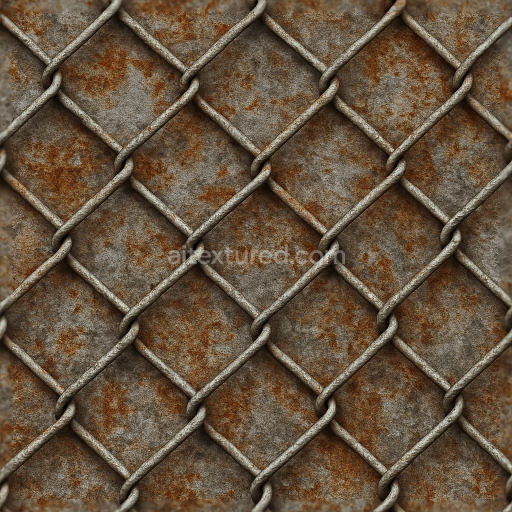
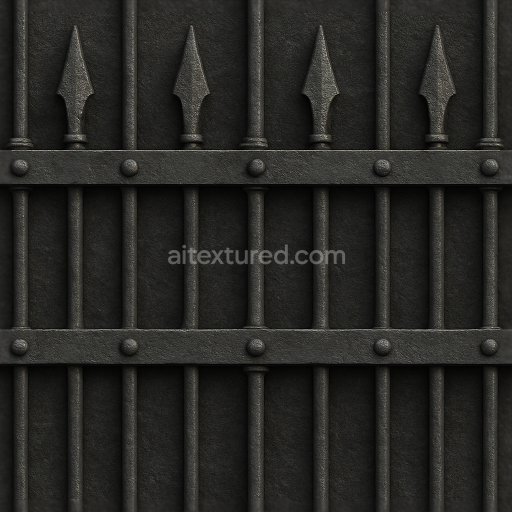
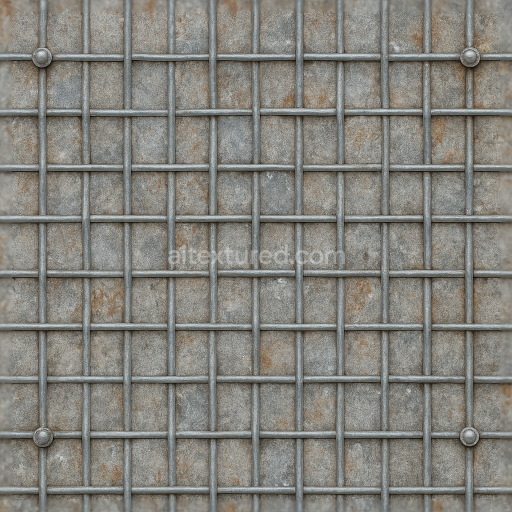
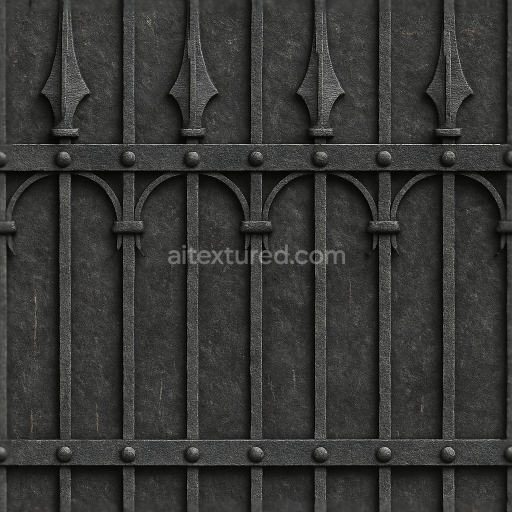
This seamless 3D texture showcases a high-resolution 8K photorealistic representation of a security fence composed primarily of steel bars with galvanized metal surfaces. The geometric form features vertically oriented, evenly spaced steel rods connected by horizontal crossbars, creating a repetitive grid pattern typical of industrial security fences. The galvanized coating serves as the base material, providing corrosion resistance through a zinc layer that appears slightly matte with subtle metallic reflections. Over time, weathering has introduced realistic metal rust patches and surface imperfections, adding natural variation and depth to the texture’s visual complexity.
The texture’s composition reflects a layered material structure: the steel bars act as the substrate, while the galvanized zinc coating forms a thin protective layer that exhibits mild oxidation. Rust deposits develop where the zinc layer has worn thin or been breached, resulting in a mixture of dark reddish-brown iron oxide pigments dispersed irregularly across the surface. These details contribute to the ambient occlusion and roughness maps, enhancing the perception of depth and surface roughness. The texture’s normal map captures fine scratches, dents, and the subtle curvature of the metal bars, while the height map emphasizes the raised edges and corroded patches, creating convincing surface relief.
The base color (Albedo) channel combines muted gray tones of galvanized steel with warm rust hues, balancing neutrality with aged authenticity. The metallic map is predominantly high to reflect the steel nature of the bars but is selectively lowered around rusted areas to simulate non-metallic corrosion. Roughness varies from smooth, brushed galvanized sections to coarse, oxidized rust spots, providing realistic light scattering and reflections. Ambient occlusion accentuates the recessed joints and crevices where rust and dirt accumulate, reinforcing volume and realism. This texture is optimized for physically based rendering workflows and is fully compatible with Blender, Unreal Engine, and Unity, ensuring seamless integration in diverse 3D environments.
For practical application, it is recommended to carefully adjust the UV scale to maintain consistent detail across large fence surfaces without visible repetition. Additionally, fine-tuning the roughness map can help balance the reflectivity between polished galvanized metal and rough rusted areas, while blending height and normal maps subtly enhances depth perception when using parallax occlusion or displacement techniques. This approach ensures the fence texture maintains its photorealistic fidelity and structural authenticity under various lighting conditions and viewing angles.
Import the texture maps into Blender with sRGB color space for albedo/base color and Non-Color for normal, roughness, metallic, AO, height, and ORM maps. Connect normal maps through a Normal Map node, then adjust UV scale with a Mapping node so the material repeats naturally on your model.
For the full step-by-step setup, see How to Use Seamless Textures in Blender. Browse related material examples in wood, concrete, and metal.
Yes. This texture is designed as a seamless tileable PBR material, so it can repeat across large surfaces without visible borders.
Use the download controls on this page: they expose the available PNG, WEBP or engine ZIP choices and supported resolutions for this asset.
Use the engine ZIP choices to package compatible source maps for Blender, Unreal Engine or Unity, then verify the imported material in the target application.
Commercial-use permission is not verified for this record. Confirm the original source and license before production use.
Generate maps from existing images, preview materials, convert channels, and package compatible inputs for Blender, Unity, and Unreal Engine.
Choose a verified workflow for generating maps, previewing tiling, converting channels, or starting from the texture catalog.
Derive Normal, Roughness, AO, Metallic, Height and optional ORM maps from one or more source images, then review the results.
Instant WebGL viewer: inspect materials on a sphere, plane, and cube. Check tiling and lighting in real time.
Re-packages maps per engine: Unreal (BaseColor + ORM), Unity (Mask/MetallicSmoothness), Blender (separate channels).
PNG ↔ JPG ↔ SVG: fast convert, SVG rasterize, embed/trace options, quality & background controls.