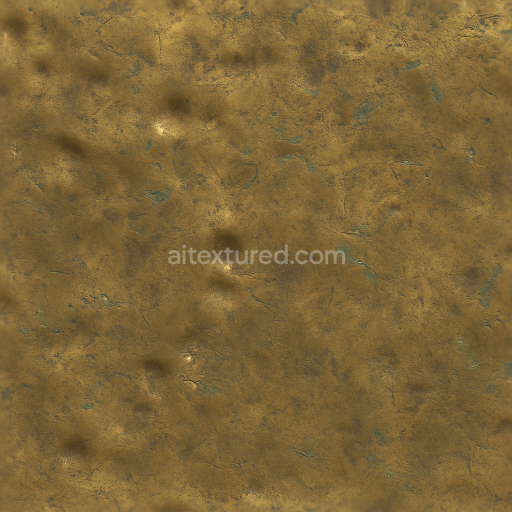
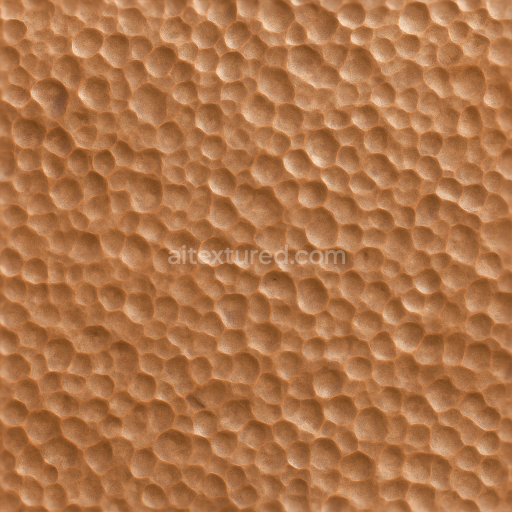
Seamless Shiny Metal 3D Texture PBR 8K Beaten Brass Surface With Metal Dents And Metal Ox…
Seamless texture (tileable) · PNG, WEBP, PBR ZIP.
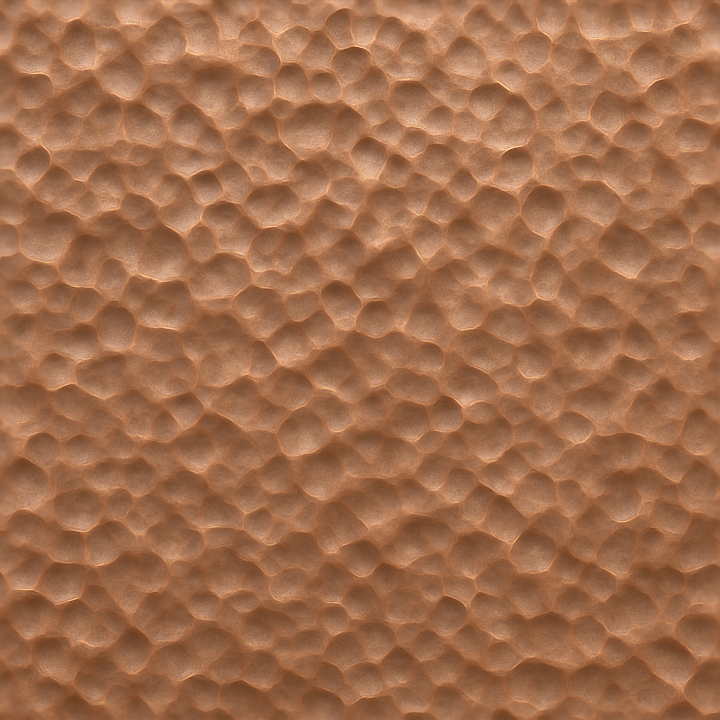
| ID | seamless-shiny-metal-3d-texture-pbr-8k-hammered-copper-with-metal-dents-and-metal-emboss-details |
|---|---|
| Category | Shiny metal |
| Formats | PNG, WEBP, PBR ZIP |
| Size | 1k (1024x1024px), 2k (2048x2048px), 4k (4096x4096px), 8k (8192x8192px) |
| Tileable | Yes |
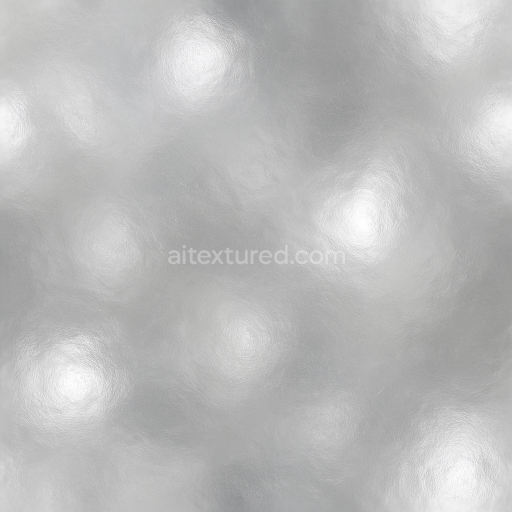
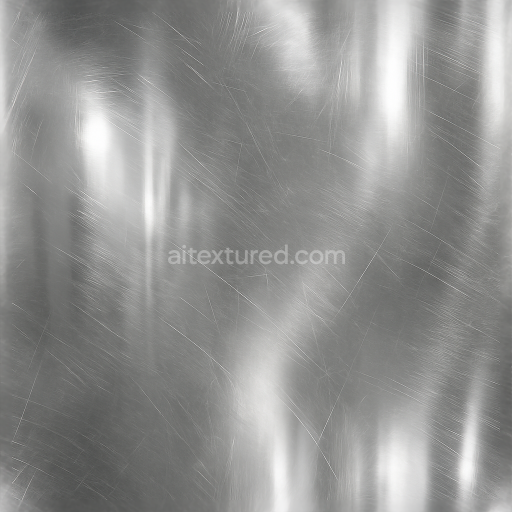
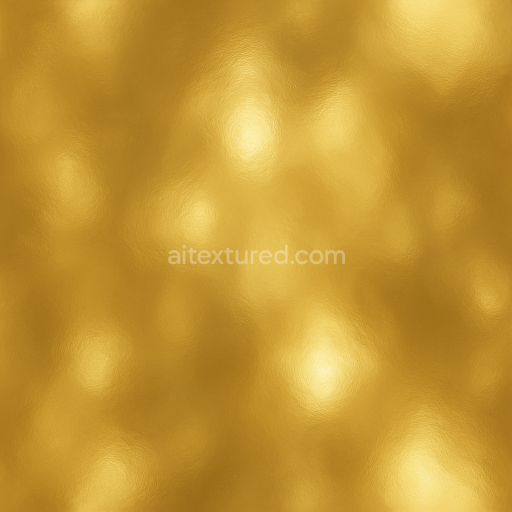
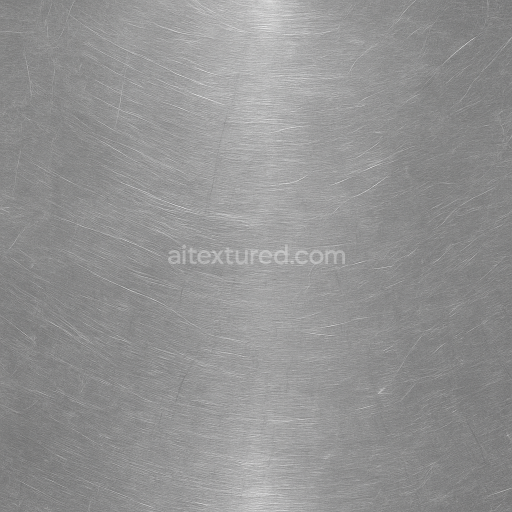
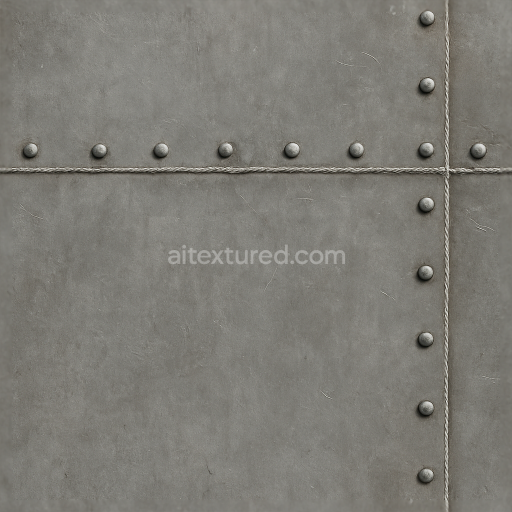
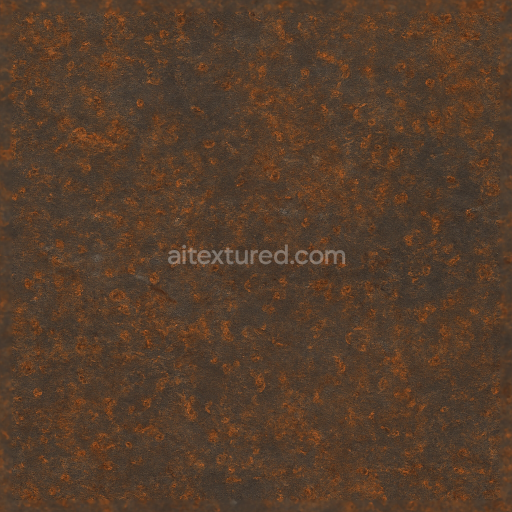
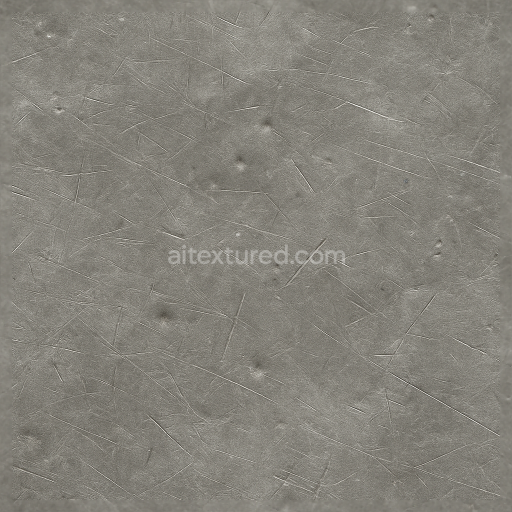
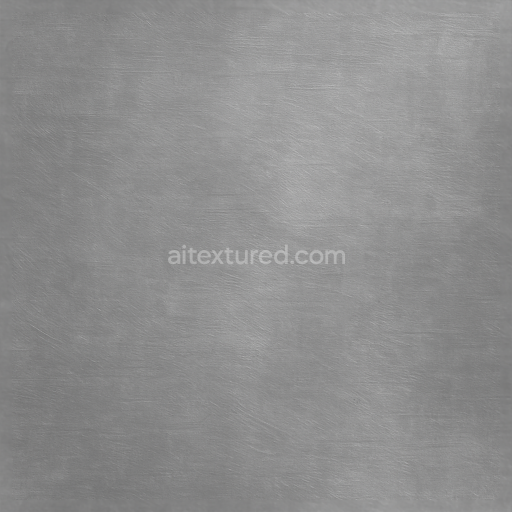
This seamless 8K PBR texture depicts a hammered copper surface characterized by intricate metal dents and embossed detailing, capturing the tactile complexity of hand-worked metal. The base material is pure copper, known for its warm reddish-brown hue and natural metallic luster. The geometric form consists of irregular, shallow indentations arranged in an organic, hammered pattern, combined with subtle embossing that adds depth and variation to the surface. This interplay of raised and recessed areas creates a dynamic relief, enhancing the realism of the metal texture.
The substrate is solid copper with a dense, fine-grain crystalline structure that contributes to its natural sheen and reflective qualities. The surface finish is a combination of polished and hammered effects, where the hammered dents introduce micro-variations in surface normals, increasing the complexity of light interaction. The emboss details simulate areas where the metal has been artistically stamped or shaped, adding to the surface’s visual interest and breaking up the uniformity. There is minimal porosity, reflecting copper’s relatively smooth surface, though slight oxidation or patina can be subtly implied through color variation in the Albedo channel.
In terms of PBR channel mapping, the BaseColor (Albedo) captures the warm, reddish-copper tones with subtle shifts to darker browns in recessed areas, accurately reflecting copper’s natural color variations. The Normal map encodes the hammered dents and emboss relief, providing detailed surface geometry for realistic light scattering and shadowing. Roughness values balance between smoother polished highlights and rougher hammered sections to simulate varying reflectivity, while the Metallic channel remains high to emphasize the metal nature of the surface. Ambient Occlusion enhances the depth around dents and embossments, and the Height/Displacement map supports parallax effects to accentuate the texture’s three-dimensional feel.
Optimized at 8K resolution, this texture is fully compatible with Blender, Unreal Engine, and Unity, ensuring high-quality rendering across diverse workflows. For best results, it is advisable to adjust the UV scale to maintain the hammered pattern’s natural size, preventing distortion or tiling artifacts. Additionally, fine-tuning the roughness channel can help balance between the pronounced metal shine and subtle diffuse reflections, while blending normal and height maps can enhance depth perception without excessive geometry displacement.
Import the texture maps into Blender with sRGB color space for albedo/base color and Non-Color for normal, roughness, metallic, AO, height, and ORM maps. Connect normal maps through a Normal Map node, then adjust UV scale with a Mapping node so the material repeats naturally on your model.
For the full step-by-step setup, see How to Use Seamless Textures in Blender. Browse related material examples in wood, concrete, and metal.
Yes. This texture is designed as a seamless tileable PBR material, so it can repeat across large surfaces without visible borders.
Use the download controls on this page: they expose the available PNG, WEBP or engine ZIP choices and supported resolutions for this asset.
Use the engine ZIP choices to package compatible source maps for Blender, Unreal Engine or Unity, then verify the imported material in the target application.
Commercial-use permission is not verified for this record. Confirm the original source and license before production use.
Generate maps from existing images, preview materials, convert channels, and package compatible inputs for Blender, Unity, and Unreal Engine.
Choose a verified workflow for generating maps, previewing tiling, converting channels, or starting from the texture catalog.
Derive Normal, Roughness, AO, Metallic, Height and optional ORM maps from one or more source images, then review the results.
Instant WebGL viewer: inspect materials on a sphere, plane, and cube. Check tiling and lighting in real time.
Re-packages maps per engine: Unreal (BaseColor + ORM), Unity (Mask/MetallicSmoothness), Blender (separate channels).
PNG ↔ JPG ↔ SVG: fast convert, SVG rasterize, embed/trace options, quality & background controls.