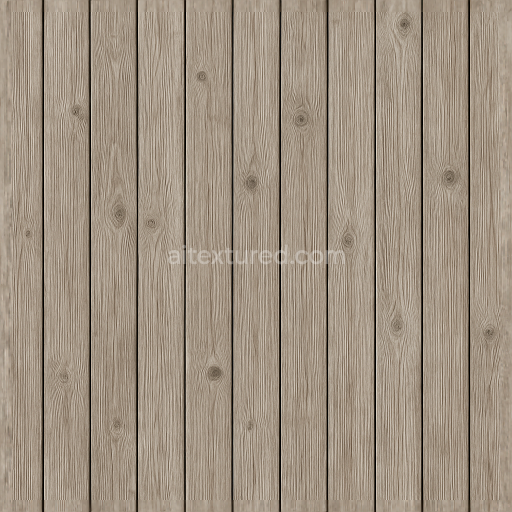
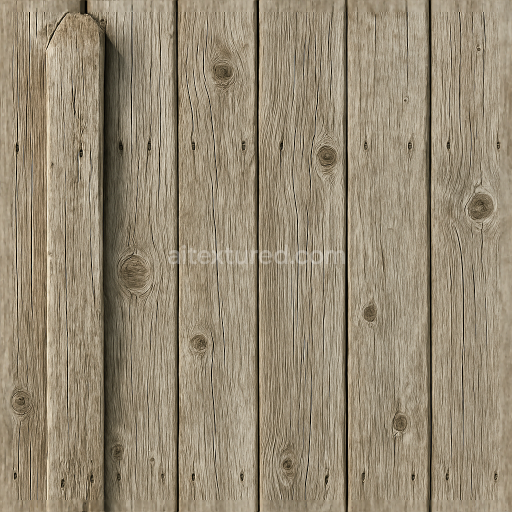
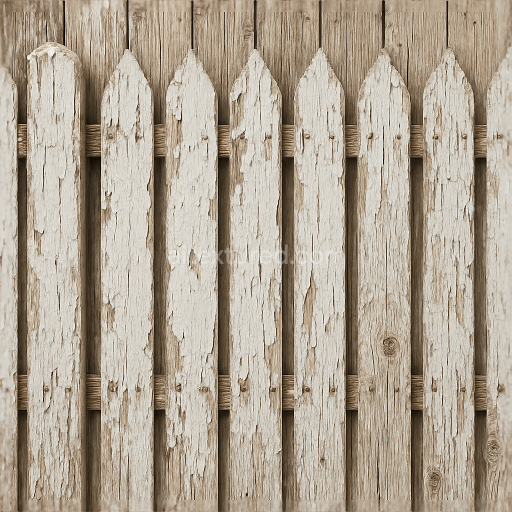
Vertical Slats Wooden Fence With Sun Bleached Wood And Fence Knots
Seamless texture (tileable) · PNG, WEBP, PBR ZIP.
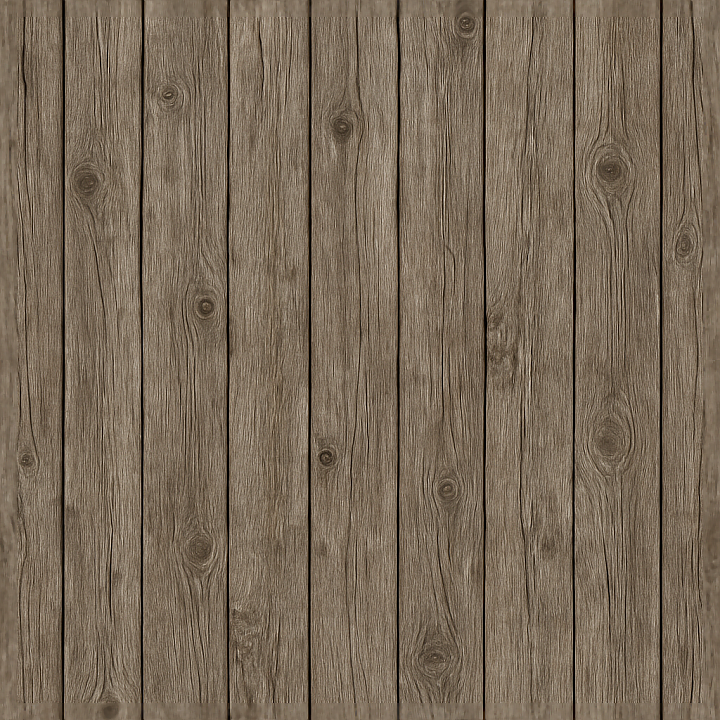
| ID | seamless-3d-texture-pbr-8k-wooden-fence-with-weathered-wood-and-fence-knots-detail |
|---|---|
| Category | Fences |
| Formats | PNG, WEBP, PBR ZIP |
| Size | 1k (1024x1024px), 2k (2048x2048px), 4k (4096x4096px), 8k (8192x8192px) |
| Tileable | Yes |
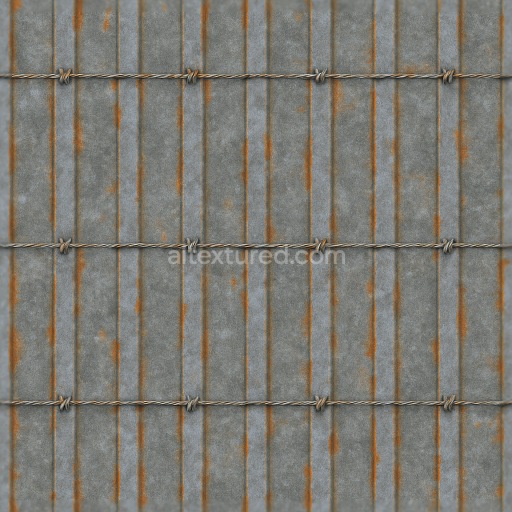
This seamless 3D texture presents an 8K photorealistic wooden fence surface composed of vertically arranged planks, each exhibiting natural variations in grain and weathering. The base material is aged hardwood, characterized by its fibrous structure and visible growth rings. Over time, exposure to outdoor elements has created a rough, porous surface with subtle cracks and surface erosion that accentuate the wood’s organic form. The texture captures fine details such as fence knots—dense, circular grain formations where branches once grew—which add depth and authenticity to the wooden panels. The planks are tightly aligned with minimal gaps, forming a continuous pattern ideal for fencing applications.
In terms of composition, the wood substrate includes cellulose fibers bound within a lignin matrix, giving the material its rigidity and texture. The weathered finish results from natural oxidation and moisture exposure, which subtly modifies the pigment layers and creates a muted, earthy color palette of browns, grays, and hints of faded ochre. Surface imperfections such as small splits, raised grain fibers, and worn edges contribute to the tactile roughness and uneven reflectivity. This complexity is precisely captured in the PBR texture maps: the BaseColor (Albedo) channel shows neutral, desaturated hues with natural shading; the Normal map accentuates the fine wood grain and knot relief; the Roughness map varies across the surface to reflect the combination of matte aged wood and slightly glossy resin deposits; the Metallic channel remains near zero, consistent with organic wood; Ambient Occlusion enhances shadowing around knots and plank edges; and the Height/Displacement map provides subtle depth variations for realistic surface geometry.
This texture is optimized for use in Blender, Unreal Engine, and Unity, offering seamless tiling to maintain visual consistency across large surfaces without noticeable repetition. The 8K resolution ensures that close-up renders retain crisp detail, highlighting every nuance of the weathered wood grain and knot intricacies. When applying the texture, it is recommended to carefully adjust the UV scale to prevent texture stretching and to fine-tune roughness values for the desired balance between matte and slightly glossy areas. Additionally, blending the height map with normal details can enhance the perception of depth, making the wooden fence appear more tactile and realistic under varying lighting conditions.
Import the texture maps into Blender with sRGB color space for albedo/base color and Non-Color for normal, roughness, metallic, AO, height, and ORM maps. Connect normal maps through a Normal Map node, then adjust UV scale with a Mapping node so the material repeats naturally on your model.
For the full step-by-step setup, see How to Use Seamless Textures in Blender. Browse related material examples in wood, concrete, and metal.
Yes. This texture is designed as a seamless tileable PBR material, so it can repeat across large surfaces without visible borders.
Use the download controls on this page: they expose the available PNG, WEBP or engine ZIP choices and supported resolutions for this asset.
Use the engine ZIP choices to package compatible source maps for Blender, Unreal Engine or Unity, then verify the imported material in the target application.
Commercial-use permission is not verified for this record. Confirm the original source and license before production use.
Generate maps from existing images, preview materials, convert channels, and package compatible inputs for Blender, Unity, and Unreal Engine.
Choose a verified workflow for generating maps, previewing tiling, converting channels, or starting from the texture catalog.
Derive Normal, Roughness, AO, Metallic, Height and optional ORM maps from one or more source images, then review the results.
Instant WebGL viewer: inspect materials on a sphere, plane, and cube. Check tiling and lighting in real time.
Re-packages maps per engine: Unreal (BaseColor + ORM), Unity (Mask/MetallicSmoothness), Blender (separate channels).
PNG ↔ JPG ↔ SVG: fast convert, SVG rasterize, embed/trace options, quality & background controls.